Skip to content
Navo24Navo24
Aerosols, toiletries and replenishment

Personal care logistics.

Personal care shipments mix ordinary cosmetics with aerosols and flammable liquids that travel as dangerous goods, often in many SKUs per load and on tight retailer delivery windows. Navo24 gives tracking, schedules, rates, load plans and reference data so teams can see where a load is and plan it with fewer surprises.

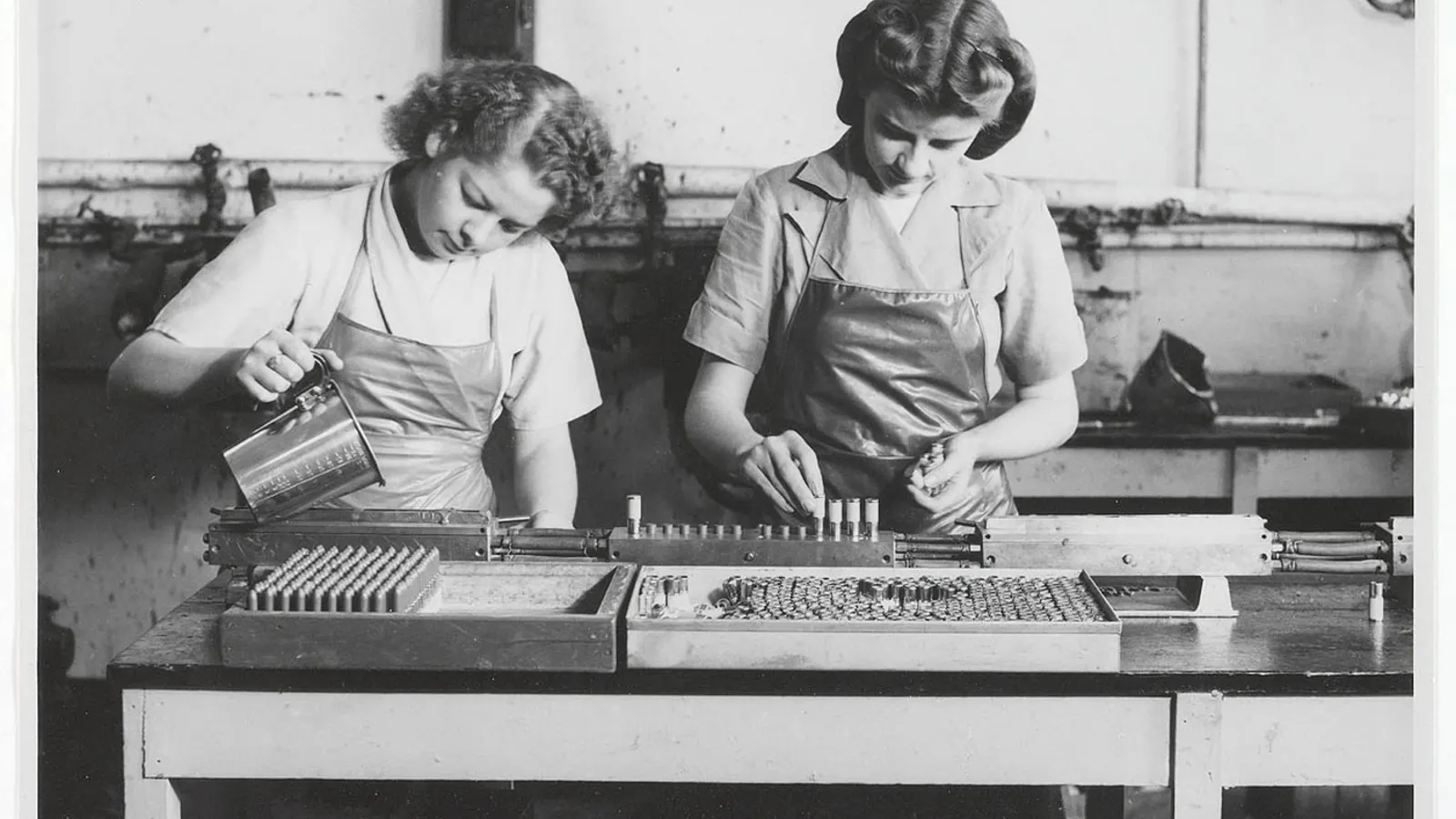
Colgate-Palmolive, a New York based company, opened a soap factory at East Balmain in 1923. In 1924 Palmolive soap was launched in Australia

Overview

Personal care moves in volume and in variety. Finished shampoo, skincare and cosmetics ship in 40 ft containers from Asian and European plants to UK, EU and US distribution centres. They then go on by 13.6 m curtainsider or box trailer to retailer depots, loaded on EUR or 1200 by 1000 mm pallets. Aerosols, nail polish, perfumes and alcohol-based sanitisers travel as dangerous goods, often next to ordinary lines. Air freight covers launches and urgent top-ups, while road and short sea feed fixed retailer delivery slots.

Problems start where the paperwork and the physical load drift apart: a line booked as general cargo that is really UN 1950, a pallet built from mixed SKUs, a connection missed at a transhipment port. Matching the booking to the load plan, watching vessel milestones and checking sailings and port data early gives a planner days of warning instead of hours. Navo24 supplies that data. Classification and declarations stay with the shipper and the carrier.


What goes wrong today

01

Flammable lines hidden in cosmetics

Aerosols fall under UN 1950, nail polish usually under UN 1263 and alcohol-based perfumes under UN 1266, all with flammable hazards. If a single line is declared wrongly, the carrier can refuse or hold the whole consolidated load.

02

Mixed-SKU pallets and consolidations

A pallet that mixes lotions with aerosols forces the dangerous lines to be handled and segregated as a whole. In a consolidated container, the load plan often differs from what was booked, and the gap only shows at the terminal gate.

03

Retailer slots with no slack

Depot appointments are fixed to the hour, and a late or rejected delivery can bring a fine or an empty shelf. A rolled booking or extra port dwell upstream reaches the depot long before anyone tells the planner.

04

Dangerous goods cost and cut-offs

Carriers apply dangerous goods surcharges and earlier documentation cut-offs, and some services do not accept Class 2 or Class 3 cargo at all. Choosing a sailing without checking this leads to rebooking and storage costs.

What Navo24 gives you

TrackingMCP

Follow every container to the depot

TrackingMCP follows containers across 240+ carriers with predicted ETAs, so replenishment planners see a late arrival while there is still time to rebook a depot slot. Free-time and demurrage alerts show when a box waiting at the port is starting to cost money.

  • Predicted ETA against the retailer slot
  • Free-time and demurrage alerts
  • API, webhooks and MCP for your systems
Open TrackingMCP
LoadingMCP

Plan mixed-SKU loads before packing

LoadingMCP builds 3D plans for cartons and pallets in containers and trailers, so dangerous and general lines can be grouped on separate pallets and zones. The finished plan can be compared with the booking before the box leaves the warehouse.

  • Separate dangerous and general pallets
  • EUR and 1200 by 1000 mm footprints
  • Check weight and volume before booking
Open LoadingMCP
SchedulesMCP

Pick sailings that suit the slot

SchedulesMCP lists sailings with cut-offs, transhipment points and carrier on-time reliability. Planners can work back from the depot appointment and avoid services with tight connections or early dangerous goods cut-offs.

  • Cut-offs and transhipment ports shown
  • Carrier on-time reliability by lane
  • Compare direct and connecting options
Open SchedulesMCP
World Sea Ports

Check ports before the box arrives

World Sea Ports gives depths, maximum vessel size, berths and facilities for 2,900+ ports. It helps teams judge whether a discharge or transhipment port suits the vessel and the cargo.

  • Depths and maximum vessel size
  • Berths and facilities per port
  • UN/LOCODE for clean booking data
Open World Sea Ports

How it works with Navo24

  1. Classify and split the order

    Mark which SKUs are dangerous goods from the safety data sheet, section 14, and keep them as separate lines in the booking.

  2. Choose a sailing and a plan

    Compare sailings and cut-offs in SchedulesMCP, then build the pallet and container plan in LoadingMCP.

  3. Track from gate-in to discharge

    Follow the container in TrackingMCP and watch the predicted ETA against the retailer delivery slot.

  4. Rebook the slot early

    When the ETA slips or a port backs up, tell the depot and move the appointment before a fine applies.

Rules and standards that apply

IMDG Code (SOLAS Chapter VII)

Sets classification, packing, marking, segregation and documents for sea carriage of aerosols (UN 1950), nail polish and flammable perfumery products, including limited quantity rules in Chapter 3.4.

ADR

Governs road carriage of dangerous goods in Europe, including transport documents, vehicle equipment and driver training for flammable personal care loads.

IATA Dangerous Goods Regulations and ICAO Technical Instructions

Apply to air shipments, with package limits, labels and a shipper's declaration for aerosols and flammable liquids.

IMO/ILO/UNECE CTU Code

Guides how cargo is packed and secured in containers, which matters when dangerous and general pallets share a box.

SOLAS verified gross mass (VGM)

A container needs a verified weight before loading, and a mismatch with the booked weight can get the box refused at the terminal.

Questions

Are aerosols dangerous goods for sea freight?

Yes. Aerosols are generally shipped under UN 1950 and, with a flammable propellant or contents, fall in Class 2.1. Limited quantity provisions in IMDG Chapter 3.4 can ease packaging and marking for small inner packs, but the cargo still has to be declared correctly.

Is nail polish or perfume a dangerous good?

Often yes. Nail polish commonly ships as a Class 3 flammable liquid, for example UN 1263, and alcohol-based perfumery products as UN 1266. Class 3 covers liquids with a flash point of 60 °C or below, closed cup, and the safety data sheet shows the exact classification.

Can dangerous and ordinary cosmetics share a container?

Usually yes, if the IMDG Code segregation rules and the carrier's acceptance conditions are met. Keeping dangerous goods on separate pallets and recording their position makes this much easier to prove at the terminal.

Why do carriers refuse or hold personal care consolidations?

The usual cause is an undeclared or wrongly classified line, or a load whose weight or contents differ from the booking. The carrier may hold the whole container until the documents and the packing are corrected.

How can I avoid retailer delivery fines when a shipment is late?

Compare the predicted ETA with the depot slot throughout the voyage and rebook the appointment as soon as the gap appears. Early signs include a rolled booking, a missed transhipment connection or extended port dwell.