Skip to content
Navo24Navo24
Fresh produce freight data

Fruit and vegetable logistics.

Fresh produce moves against a clock set by respiration, ripening and shelf life, with carrying temperature, atmosphere and ethylene exposure all affecting what arrives. Navo24 is a data and software platform that gives shippers and forwarders tracking, sailing schedules, rates, load plans and reference data to plan these moves.

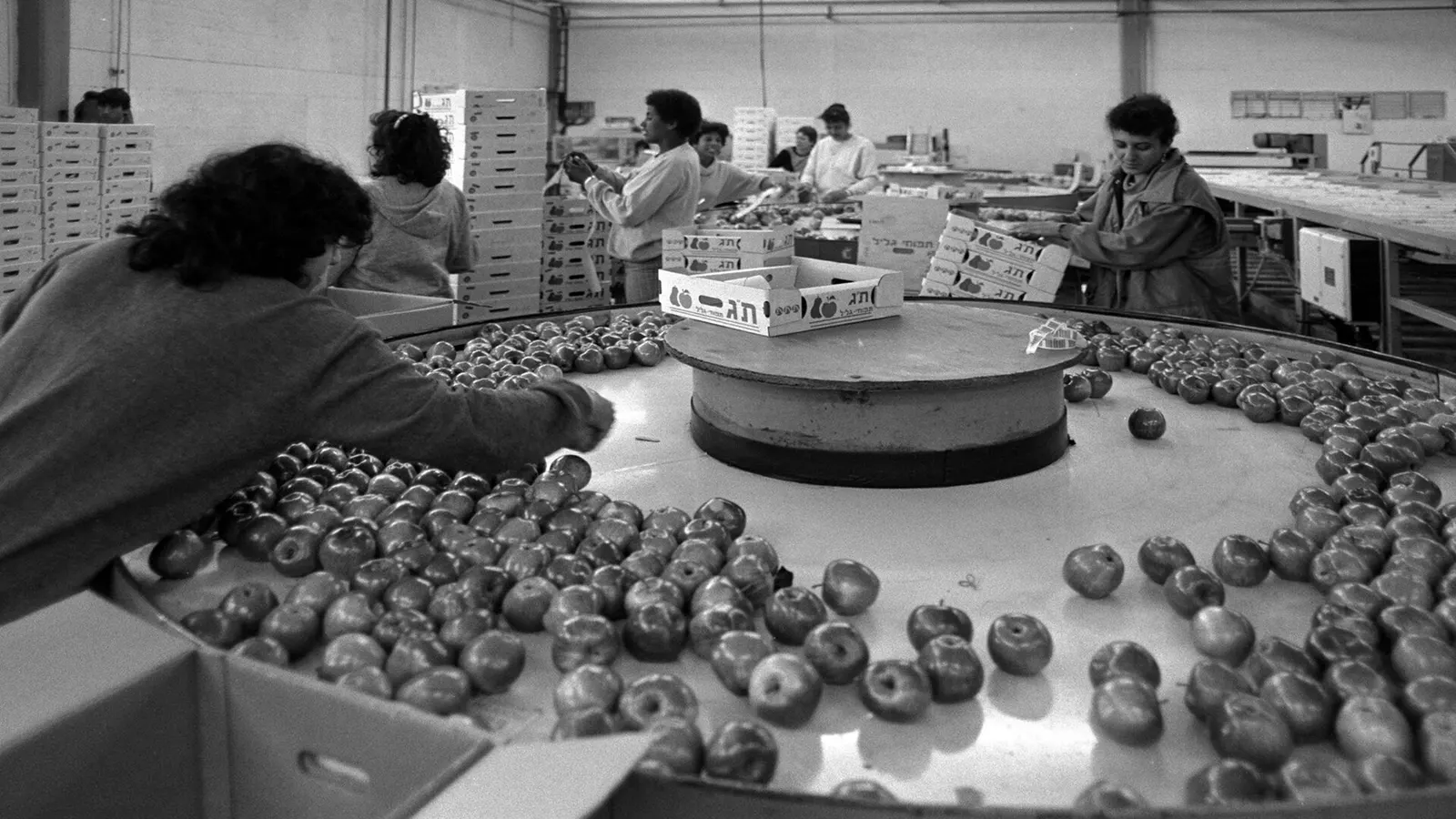
Name: Kiryat Shmona, an apple packing houseDescription: Apple packing house (Apples of the Galilee) in the industrial area in Kiryat Shmona.

Overview

Most fresh produce moves in 20 ft and 40 ft high cube refrigerated containers, with air freight for short-life lines such as berries and asparagus and reefer trailers for regional runs like Spain to northern Europe. Deep sea lanes carry bananas from Ecuador and Costa Rica, fruit from Chile and Peru, citrus and grapes from South Africa, and kiwifruit and apples from New Zealand. Pallets are loaded below the red line on T-floor units, then plugged in at terminals, on vessels and on gensets inland.

Trouble starts when a set point is wrong, a connection is missed or a reefer sits at a congested terminal waiting for a plug. Each lost day comes out of shelf life, and a loaded box often looks fine until it is opened. Tracking, sailing schedules, indicative rates and load plans in one place let shippers and forwarders spot slippage early and book with real cut-offs in mind.


What goes wrong today

01

Set points differ by commodity

Bananas travel near 13 C, table grapes close to 0 C and many tropical fruits sit in between, so a mixed load can only suit its most sensitive line. A wrong set point shows up as chilling injury, uneven ripening or decay at destination.

02

Lost days cost shelf life

A missed feeder, a transshipment wait or a berth queue adds days that the fruit cannot recover. Without container-level tracking, a drift of a day or two is often noticed only when the vessel is already late.

03

Ethylene and atmosphere exposure

Ethylene from ripening fruit such as bananas and avocados speeds ageing in sensitive produce like kiwifruit, leafy vegetables and cut flowers. Mixing these lines, or loading into a box that is not suited to the cargo, can ruin the whole consignment.

04

Harvest peaks squeeze equipment

When southern hemisphere citrus, grapes and apples come off at the same time, reefer units, terminal plugs and vessel slots tighten and rates move. Booking late on a busy export lane means paying more or sailing a week later.

What Navo24 gives you

TrackingMCP

Follow every reefer container to the door

TrackingMCP follows containers across 240+ carriers with predicted ETAs, so a slipping arrival is visible while there is still time to rebook the haulier, the importer slot or the ripening room. Free-time and demurrage alerts help you collect the box before charges and spoilage start.

  • Predicted ETAs on every container
  • Free-time and demurrage alerts
  • API, webhooks and MCP for your systems
Open TrackingMCP
SchedulesMCP

Choose sailings that protect shelf life

SchedulesMCP covers 72,000+ sailings with cut-offs, transshipment points and carrier on-time reliability. Compare direct services against transshipped routings, where every extra connection is another place for a reefer to wait.

  • Direct versus transshipped routings
  • Cut-offs and gate-in deadlines
  • Carrier on-time reliability
Open SchedulesMCP
FreightRatesMCP

Check reefer lane rates before peak

FreightRatesMCP gives indicative ocean FCL rates and rate history, so you can see how a lane behaved in earlier harvest seasons and decide when to commit. Use it to compare options before you ask for firm quotes.

  • Indicative FCL lane rates
  • Rate history across seasons
  • Compare lanes and origin ports
Open FreightRatesMCP
LoadingMCP

Plan pallets and cartons into reefers

LoadingMCP builds 3D load plans for cartons and pallets in containers and trucks, showing how many pallets fit and how the stack sits. Use it to test pallet counts and weights before the order is finalised, keeping within payload and height limits.

  • Pallet and carton 3D layouts
  • Weight and height checks
  • Container or truck comparison
Open LoadingMCP

How it works with Navo24

  1. Check lanes, rates and cut-offs

    Compare indicative rates and sailing options from the packhouse port, noting transit time, transshipment and gate-in deadlines.

  2. Plan the load and set point

    Build the pallet plan, confirm the commodity set point against the reefer temperature reference and keep incompatible lines in separate containers.

  3. Book and track the container

    Add the booking or container number to tracking and receive predicted ETAs and alerts at each stage from gate-in to discharge.

  4. Prepare arrival and collection

    Use the ETA and free-time alerts to line up customs, inspection, haulage and the receiving cold store before the box lands.

Rules and standards that apply

ISPM 12 phytosanitary certificate (IPPC)

Most importing countries require a phytosanitary certificate for fresh fruit and vegetables, and a delay or error can hold the cargo at the border.

ISPM 15 wood packaging marking

Wooden pallets and dunnage must be heat treated and marked, or the shipment can be refused or re-treated at destination.

ISO 1496-2 thermal containers

This standard covers the build of insulated and refrigerated containers, including the T-floor air delivery that depends on correct loading below the red line.

SOLAS VGM requirement

Every packed container needs a verified gross mass before loading, and a mismatch can leave a time-sensitive reefer on the quay.

UN ATP Agreement

Refrigerated road vehicles carrying perishable foodstuffs on international journeys in participating countries must meet ATP insulation and cooling standards and be certified.

Questions

What temperature should bananas be shipped at?

Green bananas are usually carried at about 13 to 14 C, because lower temperatures cause chilling injury and uneven ripening. Always confirm the set point with the shipper and the carrier's instructions for the specific variety and stage of maturity.

Can fruit and vegetables share a reefer container?

Only if their carrying temperature, humidity and ethylene tolerance are compatible. Ethylene producers such as bananas, apples and avocados should be kept away from sensitive items like kiwifruit, lettuce and cut flowers.

How many pallets fit in a 40 ft reefer?

A 40 ft high cube reefer typically takes about 20 standard 1.2 by 1.0 m pallets, or about 23 EUR pallets, with cargo kept below the red line for airflow. Exact counts depend on carton size, stack height and the weight limit.

How do I track a reefer container from the packhouse to the port?

Use the container number or booking or bill of lading number in a container tracking service to follow gate-in, loading, transshipment and discharge events. Predicted ETAs help you spot a late arrival before the cargo reaches the destination port.

Why do reefer rates rise in harvest season?

Many exporters ship at once, so refrigerated equipment, terminal plugs and vessel space on busy lanes become scarce and carriers may apply peak season surcharges. Booking earlier and checking rate history for the lane helps you plan around it.