Skip to content
Navo24Navo24
Frozen and chilled seafood logistics

Fish and seafood logistics.

Frozen and chilled seafood moves on tight temperature and time limits, through reefer containers at -18 to -25 C by sea and fresh product by air, with port congestion adding risk at both ends. Navo24 gives shippers and forwarders tracking, schedules, rates and reference data to plan and monitor these shipments.

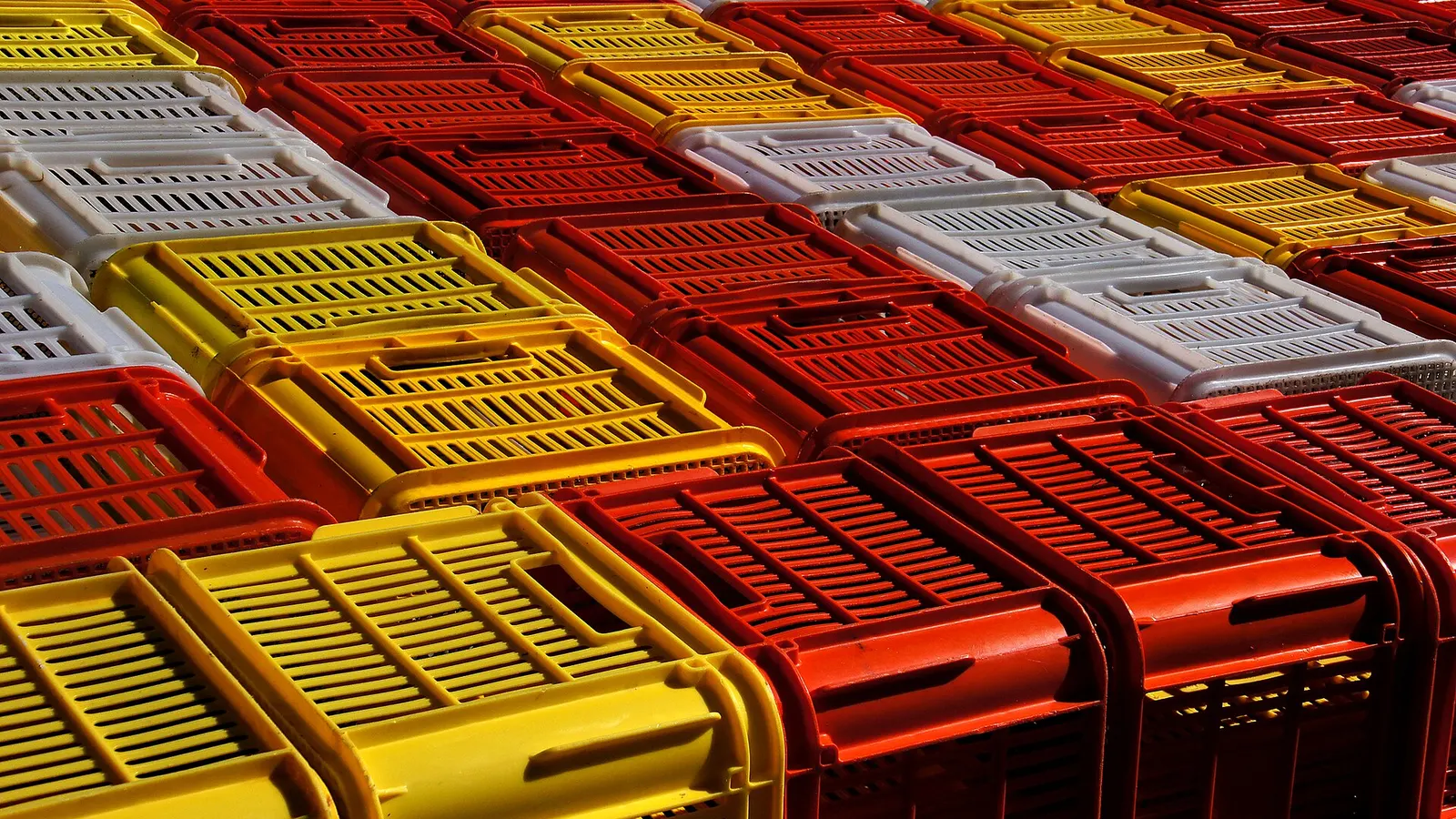
Supreme multi-purpose crates , Heavy duty Jumbo and Ribbon fish crates made from food grade polymers are crates used in fisheries. Fish crat

Overview

Frozen seafood moves mostly in 40 ft high cube reefer containers held at -18 C or colder, with tuna, squid and some whitefish carried at -20 to -25 C and sashimi tuna at -60 C in ultra low units. Chilled fillets can go by reefer at about 0 to +2 C on short sea legs, but fresh salmon, sea bass and live shellfish mostly fly, packed in insulated boxes on pallets or in LD3 containers. Main flows run from Norway, Chile, Ecuador, India and Vietnam to Europe, the US and East Asia.

Problems start where one leg hands over to the next: a vessel arrives late, the terminal has no berth or gate slot, the reefer plug sits idle, or an air booking is rolled and the boxes wait on a dock. Each hour costs shelf life, plus demurrage, detention and possible inspection delays. Tracking, live schedules and rate history let planners see the slip early, rebook or reroute, and warn the cold store and the buyer.


What goes wrong today

01

Port congestion and reefer plug-in gaps

When a terminal is congested, reefers can wait at anchor, on the quay or in a gate queue, and the time without reliable power or on a genset adds product risk. Frozen cargo also needs berth, gate and inspection slots to line up, and one missed slot can add a day or more.

02

Short shelf life on fresh air freight

Fresh fish often has only days of sellable life after harvest, so a missed connection or a rolled booking removes a large share of that window. Cut-offs, build-up times and transfer points between flights all need watching.

03

Border checks and paperwork on a clock

Seafood imports typically need health certificates, catch certificates under anti-IUU rules and often a border control post inspection. A mismatch between documents and the bill of lading or air waybill can hold a box while the cold chain runs.

04

Reefer costs that vary by lane and season

Reefer equipment availability, plug-in and genset charges, peak season and congestion surcharges differ between trade lanes and months. This makes it hard to compare quotes like for like and to budget a landed cost per kilo.

What Navo24 gives you

TrackingMCP

Track reefer containers and see delays early

TrackingMCP follows containers across 240+ carriers and gives predicted ETAs, so you can see a late arrival before the cold store or customs broker does. Free-time and demurrage alerts help you collect frozen boxes before charges and plug-in risk build up.

  • Predicted ETA per container
  • Free-time and demurrage alerts
  • API, webhooks and MCP for your systems
Open TrackingMCP
AirCargoMCP

Follow fresh fish by air waybill

AirCargoMCP shows air waybill status across airlines in one timeline, so a rolled booking or a missed transfer is visible quickly. Buyers and handlers can then rebook space and prepare the cold room on arrival.

  • One timeline across airlines
  • Spot rolled or delayed bookings
  • Plan collection from the airport cold room
Open AirCargoMCP
SchedulesMCP

Choose sailings with reliable timing

SchedulesMCP lists sailings, cut-offs, transshipment points and carrier on-time reliability, which matters for cargo that cannot wait. Direct services and fewer transfers reduce the number of handovers where frozen product can sit.

  • Cut-offs and transshipment points
  • Carrier on-time reliability
  • Compare direct and transshipment routings
Open SchedulesMCP
FreightRatesMCP

Compare lane rates and rate history

FreightRatesMCP gives indicative ocean FCL rates and rate history by lane, a baseline for judging seasonal movement. Add reefer, genset and port charges from the carrier quote to build a realistic cost per container.

  • Indicative FCL rates by lane
  • Rate history for seasonal planning
  • Baseline before reefer surcharges
Open FreightRatesMCP

How it works with Navo24

  1. Plan lane, mode and temperature

    Choose reefer by sea or air by product and shelf life, then compare sailings, reliability and indicative rates for the lane.

  2. Book and prepare documents

    Confirm reefer equipment and set point with the carrier, and align health certificate, catch certificate and invoice with the booking.

  3. Monitor movement and port status

    Follow container or air waybill events, predicted ETAs and port congestion so delays reach the consignee and cold store early.

  4. Clear, collect and deliver cold

    Use free-time alerts to collect before charges apply and book the truck and cold store slot against the confirmed arrival.

Rules and standards that apply

Council Regulation (EC) No 1005/2008 (IUU Regulation)

Wild-caught fish imported into the EU needs a validated catch certificate, and a missing or inconsistent one can stop clearance.

Regulation (EU) 2017/625 and the CHED-P via TRACES

Fishery products entering the EU are notified in advance and presented at a border control post with an official health certificate.

US Seafood Import Monitoring Program and FDA Seafood HACCP (21 CFR 123)

Covered species need traceability data at entry, and processors must run a HACCP plan for the product.

IATA Perishable Cargo Regulations and special handling code PES

Fresh fish by air is declared as perishable seafood, with packing, labelling and handling expected to follow these rules.

ISO 1496-2 thermal containers and SOLAS VGM

Reefers must meet the thermal container standard, and every packed container needs a verified gross mass before loading.

Questions

What temperature should frozen seafood be shipped at in a reefer?

Frozen fish and shellfish are normally carried at -18 C or colder, and many shippers specify -20 to -25 C for tuna, squid or longer voyages. Sashimi grade tuna can need about -60 C in an ultra low temperature unit. Always set the exact temperature in the booking and on the bill of lading.

Is it better to ship fresh fish by air or chilled by sea?

Air suits high value fresh product with a short shelf life, such as salmon or live shellfish, because transit is days rather than weeks. Chilled reefer by sea can work on short lanes where the voyage is only a few days. For most longer lanes, frozen product by sea is the practical choice.

What documents does imported seafood need?

Common documents are the commercial invoice, packing list, bill of lading or air waybill, an official health certificate and, for wild-caught fish into the EU or UK, a catch certificate. The US requires traceability data under the Seafood Import Monitoring Program for covered species. Requirements differ by country and species, so check with the border authority.

How does port congestion affect frozen cargo?

Congestion can delay berthing, discharge, gate-out and inspection, so a reefer may spend longer on the quay or in a queue. That adds risk for the cargo and can start demurrage or detention clocks. Predicted ETAs and port status help you adjust truck and cold store bookings early.

Which HS codes cover fish and seafood?

Fresh, chilled and frozen fish, crustaceans and molluscs fall under HS Chapter 03. Prepared or preserved products, such as canned fish and surimi, fall under Chapter 16. Use the six digit heading as a starting point and confirm the national tariff line with your customs broker.