Skip to content
Navo24Navo24
Dry food, grains, sugar and coffee

Non-perishable food logistics.

Dry and canned food, grains, sugar and coffee ship in volume on long ocean routes where container condition, palletisation and correct HS codes decide whether a box clears on time. Navo24 is a data and software platform that gives shippers and forwarders tracking, schedules, rates, load plans and reference data.

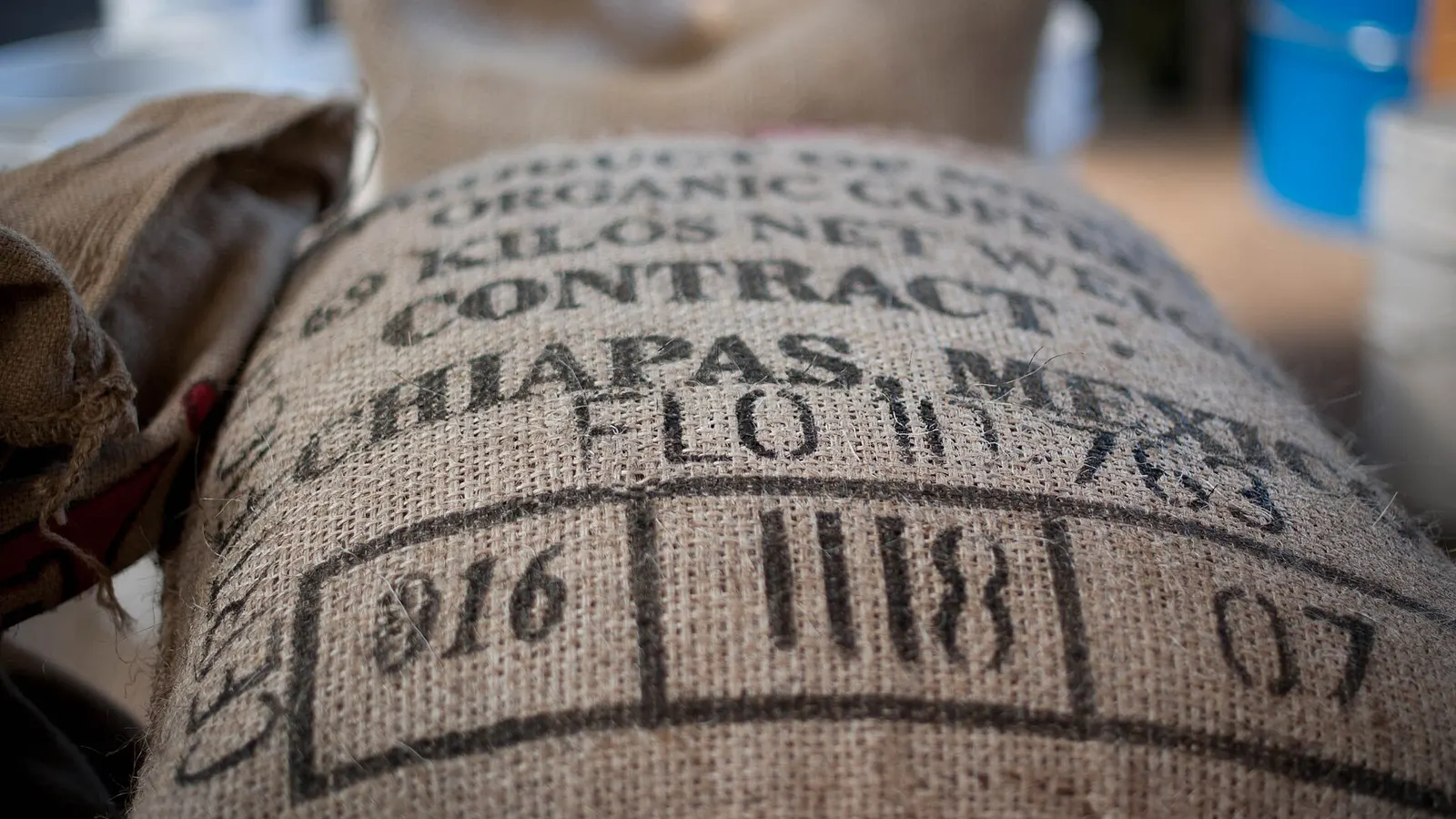
Bag of unroasted coffee beans

Overview

Dry and canned food moves mainly in 20ft and 40ft dry containers on deepsea liner services, from origins such as Brazil, Vietnam, Colombia, Ukraine and India to Europe, the Middle East and East Asia. Green coffee travels in 60 kg jute or sisal bags, sugar in 50 kg sacks or bulk, canned goods in cartons on pallets. Transits of four to seven weeks cross several climate zones, often with transshipment, so the box heats by day and cools at night for weeks.

Most losses start before the ship sails: a damp or tainted container, a stack that shifts, or an HS code that does not match the invoice. None of this shows on a booking confirmation. Container numbers and event milestones, sailing schedules, load plans and HS reference data let shippers and forwarders check condition, plan the cube and fix documents before cut-off, not at the discharge port.


What goes wrong today

01

Condensation during long climate crossings

Bagged coffee, grains and sugar absorb and release moisture, and warm humid air meeting a cold steel roof drips onto the stack. Cargo with 10 to 12 per cent moisture, such as green coffee, can develop mould or caking in a single voyage if the box is not lined and ventilated correctly.

02

Food-grade container condition is unverified

A dry container must be clean, dry, odour-free and free of residues from earlier cargo, yet the booking only states size and type. Coffee and sugar take up odours easily, so a box that last carried chemicals or fish meal can cause a rejection.

03

Mixed loads planned by hand

Cartons, pallets and sacks have different footprints and load limits, and manual plans waste cube or leave void space that lets stacks collapse. Poor weight distribution also risks a wrong VGM and a box that is refused at the terminal.

04

Food spans several HS chapters

Coffee sits in Chapter 09, cereals in Chapter 10, sugar in Chapter 17 and canned goods mostly in Chapters 16 and 20. A wrong subheading, for example roasted instead of green coffee, can change duty, trigger inspection or get import documents rejected.

What Navo24 gives you

LoadingMCP

Plan mixed food loads in 3D

LoadingMCP places cartons, pallets and sacks into 20ft, 40ft and 40ft high cube containers or trucks, showing cube use, weight and stack stability. Planners can test a pallet pattern against payload limits before the cargo reaches the warehouse.

  • Pallet and sack footprints in one plan
  • Axle and payload limits checked
  • Spot void space before it shifts
Open LoadingMCP
TrackingMCP

Follow containers across long voyages

TrackingMCP follows containers across 240+ carriers and gives predicted ETAs, so you see transshipment delays that extend exposure to heat and humidity. Free-time and demurrage alerts warn you when a box waiting for customs release starts to cost money.

  • Milestones from gate-in to discharge
  • Predicted ETA updates on delays
  • Free-time and demurrage alerts
Open TrackingMCP
SchedulesMCP

Choose sailings with fewer transshipments

SchedulesMCP lists sailings, cut-offs and transshipment points, with carrier on-time reliability. Shorter, direct rotations reduce the days a bagged commodity spends in yards and in climate changes.

  • Compare direct and transshipment routings
  • Check gate and documentation cut-offs
  • Review carrier on-time reliability
Open SchedulesMCP
FreightRatesMCP

Benchmark FCL rates on bulk lanes

FreightRatesMCP gives indicative ocean FCL rates and rate history for the origin and destination pairs that dominate food trade. Buyers selling on CIF or FOB terms can check a quote against recent movement before they commit.

  • Indicative FCL rates by lane
  • Rate history for contract timing
  • Compare 20ft and 40ft pricing
Open FreightRatesMCP

How it works with Navo24

  1. Check route and sailing options

    Compare sailings, transshipment ports and cut-offs, and benchmark the FCL rate for your lane.

  2. Build the load plan

    Model pallets, cartons or sacks in the container, check cube and weight, and set the VGM from the plan.

  3. Verify the box and the paperwork

    Confirm container number, cleanliness and lining at stuffing, and match the HS code to the invoice and phytosanitary certificate.

  4. Track to delivery and return

    Follow milestones and ETA changes, watch free time at discharge, and return the empty to the right depot.

Rules and standards that apply

CTU Code (IMO, ILO and UNECE)

Guidance on packing cargo transport units, covering clean and dry containers, load distribution, lashing and moisture control for sensitive food cargo.

SOLAS VGM requirement

Every packed export container needs a verified gross mass before loading, so mixed food loads must be weighed or calculated by an approved method.

Harmonized System (WCO)

Six-digit codes in Chapters 09, 10, 11, 17, 19 and 20 set duty, quotas and documentary requirements for coffee, grains, sugar and prepared food.

IPPC phytosanitary certificate and ISPM 15

Grains and coffee usually need a phytosanitary certificate, and wooden pallets and dunnage must carry the ISPM 15 heat-treatment mark.

Regulation (EC) No 852/2004 and the US FSMA sanitary transport rule

Both require food to be carried in vehicles and containers that are clean and fit to prevent contamination, which applies to the box as well as the food.

Questions

How do I stop condensation damaging coffee in a container?

Use a clean, dry container, line the walls and roof with kraft paper or a cardboard liner, and use desiccant or a bulk liner where the shipper specifies one. Pack coffee at a moisture content around 10 to 12 per cent and avoid stuffing in rain. Some trades use ventilated containers, but the plan should be agreed with the buyer and carrier.

How many bags of coffee fit in a 20ft container?

A 20ft container typically takes around 275 to 320 bags of 60 kg green coffee, depending on bag size, stowage and any liner. This gives about 16 to 19 tonnes net, within the container payload. A load plan confirms the exact count and weight.

What HS code applies to green coffee, sugar and wheat?

Green coffee that is not roasted or decaffeinated falls under 0901.11, raw cane sugar under 1701.13 or 1701.14, and wheat under 1001. Roasted coffee moves to 0901.21 and canned vegetables or fruit to Chapter 20. Always confirm the code against the product description and the importing country tariff.

Do wooden pallets for food exports need treatment?

Yes. Under ISPM 15, wooden pallets and packaging used in international trade must be heat-treated or fumigated and carry the IPPC mark. Many importers also check for dry, odour-free and pest-free wood, which matters for food cargo.

Who pays when a food container is held in customs?

Charges depend on the contract, the Incoterm and the carrier tariff. Demurrage runs at the port after free time ends and detention runs once the box leaves the terminal. The party holding the bill of lading and arranging import clearance, often the consignee, usually carries them.