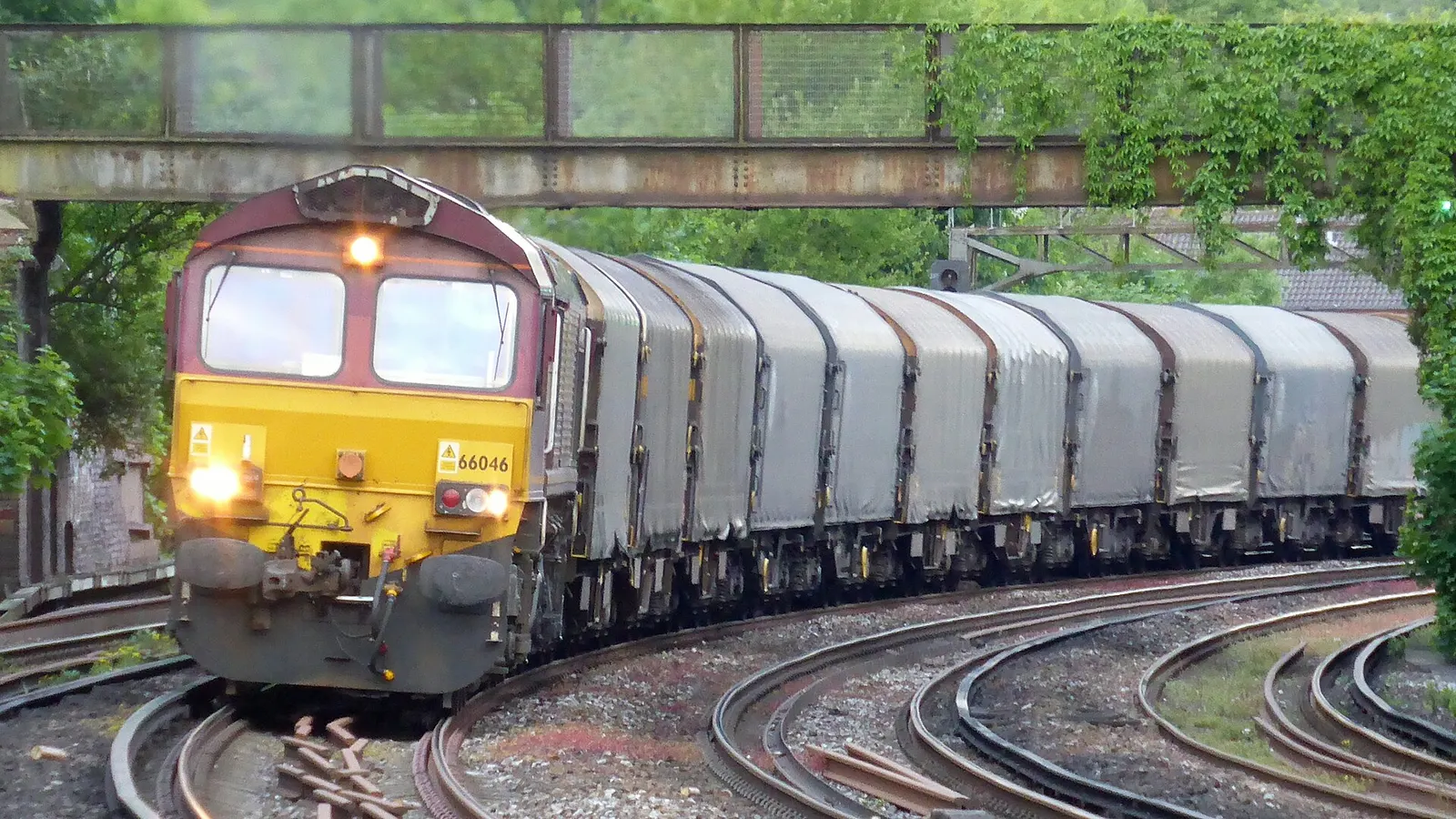
Steel and metals ship as hot and cold rolled coils, plates, sections, pipes, wire rod and aluminium ingots, billets and extrusions. Large parcels go on general cargo and multipurpose vessels loaded by shore crane or ship's gear, while smaller lots go in 20 ft and 40 ft containers, flat racks or open tops. A typical coil weighs 10 to 25 t and sits in a cradle or on dunnage. Inland legs use flatbeds, coil wagons and barges between mills, service centres and ports.
Problems appear at the margins: a box that is legal on the ship but overweight on the road, a coil that sat in a humid yard for nine days, a cut-off missed by a few hours on an infrequent breakbulk sailing. Schedules, port limits, load plans and live tracking close these gaps before booking and while the cargo is moving, so changes are made while they are still cheap.