Skip to content
Navo24Navo24
Freight data for Asia Pacific

Logistics in Asia Pacific.

Shanghai, Singapore, Busan and the rest of the world's busiest container ports: the countries and the Navo24 tools for Asia Pacific.

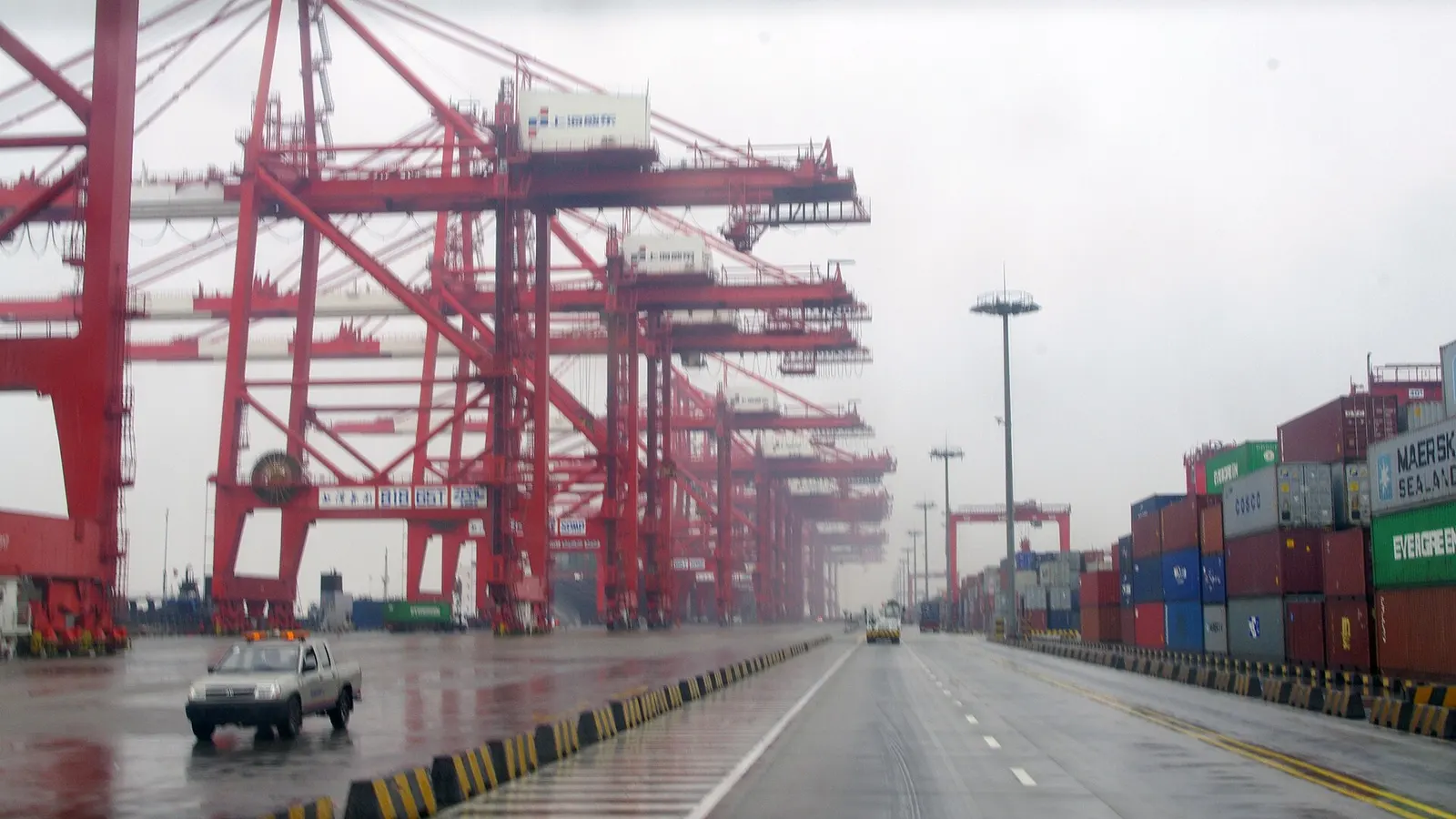
​洋山港码头

Overview

Asia Pacific is where most of the world's containers start their journey or change ship. Export boxes leave Shanghai, Ningbo-Zhoushan, Shenzhen and Qingdao, transship through Singapore, Port Klang, Tanjung Pelepas or Busan, and reach smaller ports on feeders. Cai Mep in Vietnam takes direct mainline calls, Nhava Sheva and Mundra serve India, and Australia and New Zealand are import markets with long inland hauls. The 40 ft high-cube dry box dominates, while reefers carry fruit, seafood, meat and dairy.

Things go wrong at the joins. Typhoons close Chinese gates between June and November, Chinese New Year empties factories and triggers blank sailings, and a missed transshipment connection can leave a box waiting a week for the next feeder. Customs and biosecurity rules differ in every country. Live vessel positions, predicted ETAs, cut-offs and port limits let you replan before a gate closes or free time runs out.


What goes wrong today

01

Typhoon season closes gates

Between June and November, typhoons can shut terminal gates at Shanghai, Ningbo and Shenzhen for one to three days, and the backlog follows for a week. Cut-offs and vessel calls then move, and boxes already gated in may miss the sailing.

02

Chinese New Year capacity gaps

Factories stop for one to two weeks, and carriers blank sailings before and after the holiday. Bookings made late in the previous month often roll to the next available hull.

03

Transshipment and rolled boxes

Many Southeast and South Asian cargoes connect at Singapore, Port Klang or Colombo. A late feeder or an omitted call can leave the box on the quay while the bill of lading still shows a planned onward vessel.

04

Different rules in every country

Australia and New Zealand inspect containers and wood packaging for biosecurity risk, India requires electronic filing through ICEGATE, and China requires food manufacturers to be registered. A box can clear one border and sit at the next for missing paperwork.

What Navo24 gives you

TrackingMCP

Track containers from Asian gateways to destination

TrackingMCP follows ocean containers across 240+ carriers using one container, booking or bill of lading number, and predicts ETAs from live vessel data. Free-time and demurrage alerts help when a box sits at a congested port such as Nhava Sheva or Chittagong.

  • Predicted ETA from live vessel position
  • Free-time and demurrage alerts
  • API, webhooks and MCP for agents
Open TrackingMCP
SchedulesMCP

Compare sailings and cut-offs by port pair

SchedulesMCP covers 72,000+ sailings, including transshipment legs and carrier on-time reliability. Use it to plan around Chinese New Year blank sailings and to pick a direct service from Cai Mep or Yangshan over a slower feeder connection.

  • Cut-offs and transshipment legs
  • Carrier on-time reliability
  • Spot blank sailings early
Open SchedulesMCP
World Sea Ports

Check port depths and vessel size limits

World Sea Ports lists depths, maximum vessel size, berths and facilities for 2,900+ ports. It shows which Asian and Oceania ports can take large container ships and which depend on feeders or lighter draft vessels.

  • Depth and max vessel size
  • Berths and terminal facilities
  • UN/LOCODE for every port
Open World Sea Ports
LoadingMCP

Plan loads before the container is gated in

LoadingMCP plans cartons, pallets and crates in 3D inside 20 ft, 40 ft and 40 ft high-cube containers. A plan that respects payload and door height avoids overweight boxes, which are a common cause of VGM problems and rolled cargo at Asian terminals.

  • 3D plan for containers and trucks
  • Weight and centre of gravity check
  • Fewer overweight or half-empty boxes
Open LoadingMCP

How it works with Navo24

  1. Plan the load and route

    Build the load plan, pick the port pair and compare sailings and cut-offs for direct and transshipment options.

  2. Book and submit VGM

    Confirm the booking with the carrier and send the verified gross mass and shipping instructions before the terminal cut-off.

  3. Follow the box at sea

    Track the container and vessel, watch the predicted ETA and react to blank sailings, omitted calls or typhoon closures.

  4. Clear and return the empty

    Use free-time alerts for discharge and customs release, then return the empty to the right depot before detention starts.

Rules and standards that apply

SOLAS Chapter VI VGM

Every packed export container needs a verified gross mass declared to the carrier before loading, and Asian terminals will not load a box without it.

IMDG Code

Dangerous goods on Asian routes must follow the IMDG classification, packing, marking and declaration rules, and carriers apply their own acceptance limits on top.

ISPM 15

Wooden pallets, crates and dunnage must be heat treated or fumigated and carry the IPPC mark, or Australia, New Zealand and China can refuse or treat the cargo.

RCEP and ASEAN origin rules

RCEP, ATIGA Form D and the ASEAN-China Form E can reduce duty on qualifying goods, but only with the correct origin proof and HS classification.

Australian Biosecurity Act 2015

Containers and cargo arriving in Australia can be inspected for contamination, and seasonal measures apply to vehicles and machinery from certain origins.

Questions

Which are the busiest container ports in Asia Pacific?

Shanghai, Singapore, Ningbo-Zhoushan, Shenzhen, Qingdao, Guangzhou, Busan and Tianjin are consistently among the largest container ports in the world. Rankings vary by year, so check the latest published throughput figures.

How does Chinese New Year affect shipping from China?

Factories close for one to two weeks, and carriers blank sailings and move cut-offs around the holiday. Bookings should be confirmed well ahead, and cargo that misses the pre-holiday sailings often waits for the first hull after it.

How do I track a container from Asia to Europe or the US?

Enter the container number, booking number or bill of lading number in a tracking tool that covers the carrier. You will see milestones such as gate-in, loaded, transshipment and discharge, with a predicted ETA based on the vessel position.

What is VGM and who provides it?

VGM is the verified gross mass of a packed container required under SOLAS Chapter VI. The shipper named on the bill of lading is responsible for it and must send it to the carrier and terminal before the cut-off.

Why does wood packaging cause delays in Australia and New Zealand?

Both countries enforce ISPM 15 and strict biosecurity checks. Untreated or unmarked wooden pallets and crates can lead to inspection, treatment or re-export at the shipper's cost.