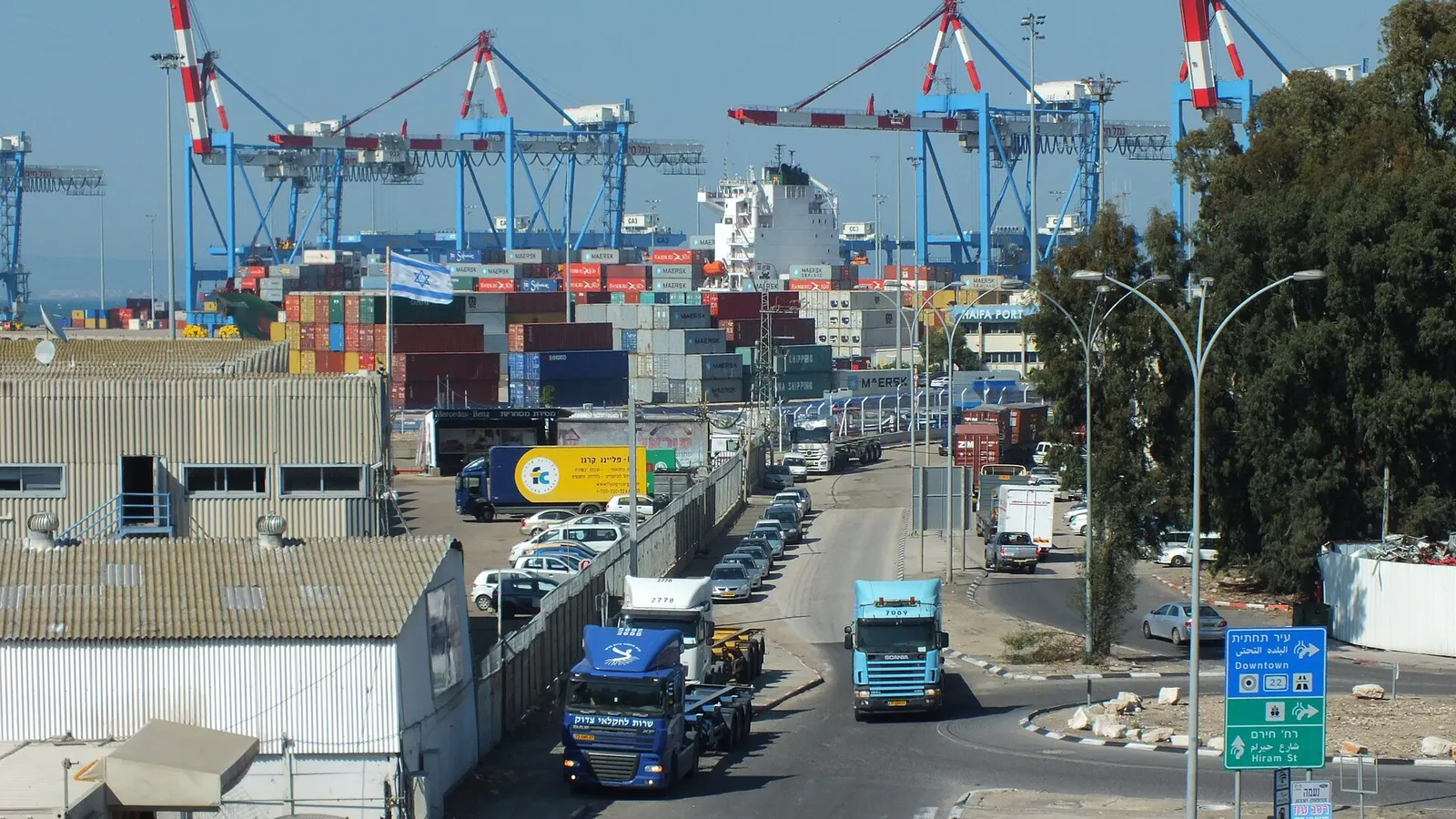
Large retailers import mainly in 20 ft and 40 ft high cube containers, a 40 ft high cube holding roughly 76 m³ inside. Boxes are loaded at Asian and Mediterranean origins and discharged at deepwater ports such as Felixstowe, Southampton, London Gateway, Rotterdam or Los Angeles. Cargo is palletised or floor-loaded, with reefers for chilled and frozen food ranges. From the port, boxes go by drayage on container chassis or by rail to distribution centres, are unloaded, and the empties return to a depot named by the carrier.
Problems start when each carrier, terminal and haulier reports in its own format. A box can be discharged, held for customs or waiting for a delivery order while free time runs down, and nobody sees the date until an invoice arrives. Consolidated events, predicted ETAs and free-time dates for every container let planners book slots and returns before charges start. They also give finance a record to check each demurrage and detention line against.