





















Transshipment hubs hide the real ETA
A container that misses its feeder connection can wait a week for the next sailing while the booking ETA stays unchanged. Planners only learn this when the discharge port event fails to appear.
A missing part stops a production line, and that hour costs far more than the freight. Navo24 gives planners the real arrival date of every inbound container, vehicle shipment and urgent air part, so they act days earlier.
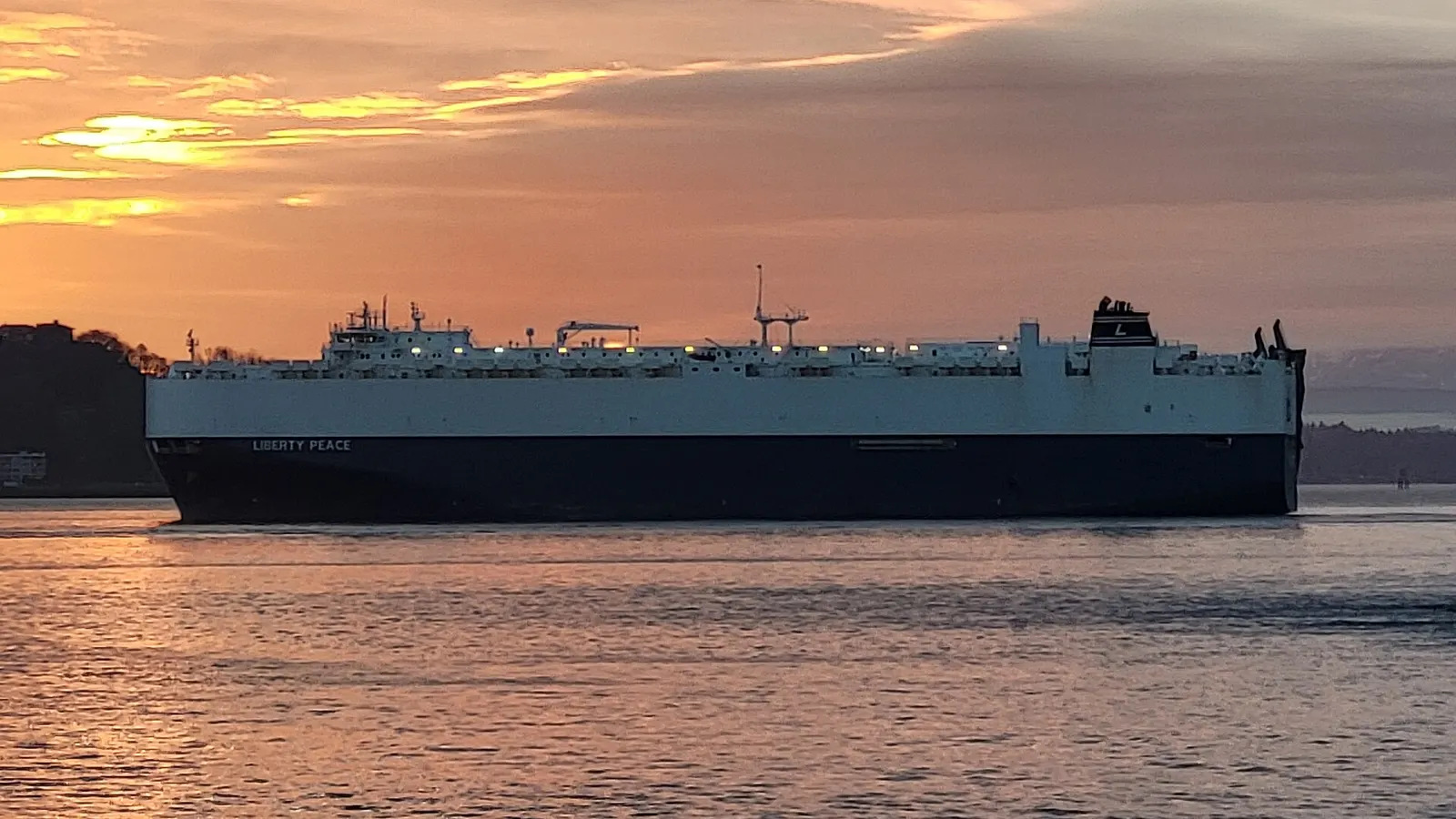
Automotive freight runs on fixed rhythms. Series parts for assembly plants move in 40 ft high cube containers and swap bodies on weekly call-offs, packed in returnable KLT boxes, steel racks and EUR pallets. CKD and SKD kits ship as dozens of containers per build slot. Finished vehicles travel on car carriers (PCTC) sized in CEU, on rail autoracks and on car transporter trucks. Urgent tooling, sensors and electronics go by air on ULD pallets, usually booked after the sea plan has already slipped.
Problems start when the carrier ETA stops matching reality. A box misses its connection at a hub, a PCTC skips a call, or one container of a kit is rolled while the rest arrive. The plant sees it only at gate-in. Container events, vessel positions, schedules and air waybill milestones in one place let planners rebuild the arrival date days earlier and decide between resequencing, rerouting or expediting.
A container that misses its feeder connection can wait a week for the next sailing while the booking ETA stays unchanged. Planners only learn this when the discharge port event fails to appear.
CKD and SKD kits are split across many containers and sometimes across vessels, so one rolled box can stall a whole build slot. Without per container ETAs, the missing item is found at unloading, not at planning.
When the sea arrival is unknown until the last days, the only recovery is a charter or premium air freight. That cost is avoidable if the delay is visible while there is still time to resequence production.
Finished vehicles on PCTC and RoRo vessels have no container event feed, so a skipped port call or berth wait is easy to miss. Dealers and compounds need the vessel position and schedule to plan transporter and rail slots.
 TrackingMCP
 follows containers across 240+ carriers and gives a predicted ETA that moves when the voyage moves, not only when the carrier updates its booking. Planners get alerts and webhooks into their own planning system, so a changed arrival triggers action immediately.
 SchedulesMCP
 shows sailings, cut-offs, transshipment points and carrier on-time reliability for each lane. Buyers can choose direct or well connected services for parts that cannot afford a rolled box.
 Vessel Library
The Vessel Library lets logistics teams look up a PCTC, RoRo or container feeder by name, IMO or MMSI and see its last known AIS position. It fills the gap for vehicle shipments and for boxes waiting on a feeder.
 AirCargoMCP
 tracks air waybills across airlines in a single timeline, from acceptance to arrival. Expeditors can confirm that a premium shipment is really on the flight the line is waiting for.
Compare sailings, transshipment hubs and reliability in SchedulesMCP before the purchase order or call-off is confirmed.
Load container numbers or bill of lading references into TrackingMCP, and add the vessel IMO for car carrier shipments.
Receive alerts when ETA moves, a transshipment is missed or a port call is omitted, and compare against the line sequence plan.
Resequence the build, reroute the remaining boxes or book air with the exact gap known, then track the air waybill to delivery.
The quality standard for automotive suppliers expects controlled, traceable delivery performance, which depends on knowing real arrival dates.
KLT and transport labels carry the part, quantity and supplier data that plants scan at goods receipt, so shipment references must match the physical boxes.
The despatch advice tells the plant what is on each shipment, and its expected date should be reconciled with live container or vessel ETAs.
Lithium ion batteries and battery powered vehicles are regulated dangerous goods at sea, with documentation and stowage rules that can cause holds at the port.
Every packed container needs a verified gross mass before loading, and heavy parts shipments such as dies, axles and engines are common causes of mismatch.
CKD (completely knocked down) kits contain all the parts to assemble a vehicle from scratch, while SKD (semi knocked down) kits arrive partly assembled, for example with a welded and painted body. Both usually ship in containers split across several boxes, so each box needs its own ETA.
Track the container by number or bill of lading and check the predicted ETA, the last event and whether a transshipment connection was made. If the part is on a flight, track the air waybill. A prediction based on the voyage is more reliable than the original booking date.
Most move on car carriers (PCTC) or Ro-Ro ships, where capacity is measured in CEU, a car equivalent unit. They can also travel in containers, on rail autoracks or on road car transporters for the inland leg.
Yes. Lithium ion batteries are Class 9 under the IMDG Code (UN3480 for batteries, UN3481 when packed with or contained in equipment), and battery powered vehicles fall under UN3171. They need correct declarations and stowage, and by air they follow IATA rules.
Carriers often keep the scheduled ETA until the vessel has clearly missed it, and AIS ETAs are typed by the crew. A predicted ETA combines vessel position, port congestion and schedule data, so it can move earlier than the booking does.
All solutions by problem, industry, role and location: Solutions.
Photo: The car carrier cargo ship LIBERTY PEACE, sailing in the Puget Sound on 24 Feb 2024., CC0.
