





















No container number to follow
Ro-Ro and PCTC cargo is identified by VIN, bill of lading, vessel and voyage, so standard container tracking does not apply. Teams end up keeping their own sheets that link each VIN to a sailing and a discharge port.
Finished vehicles move on Ro-Ro and PCTC vessels, in containers and by rail, with handovers through port compounds where dwell time and damage risk build up. Navo24 gives shippers and forwarders vessel tracking, sailing schedules, port reference data and load plans, so they can follow each shipment without handling the cargo.
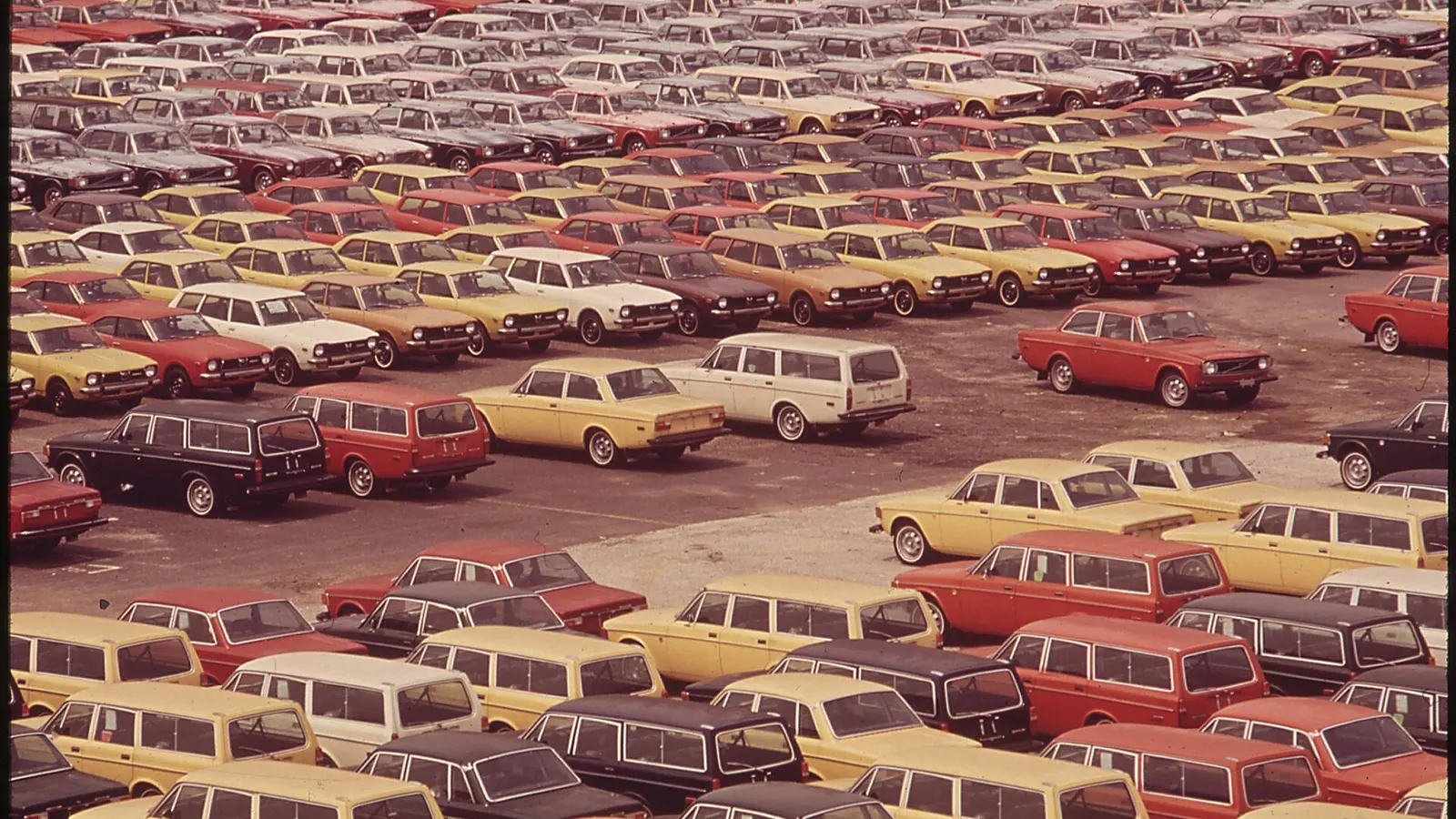
New vehicles usually leave the plant by truck or rail and are driven onto a PCTC at the load port. Deep-sea car carriers are rated in CEU, and the largest carry well over 7,000 units on adjustable decks reached by stern and side ramps. Shorter routes use Ro-Ro and RoPax ships, while smaller volumes travel in 40 ft containers with wheel chocks and lashing. On land, vehicles move by car carrier trailer, or by autorack in North America and double-deck car transporter wagons in Europe.
Problems start at the handovers. A vehicle has no container number, so a delay at the compound, a missed rail slot or a late vessel is reported by four parties in four formats. Matching the VIN to the bill of lading, the vessel and voyage, and the port's berth and depth data shows where a vehicle is waiting, and lets planners react before storage and compound costs build up.
Ro-Ro and PCTC cargo is identified by VIN, bill of lading, vessel and voyage, so standard container tracking does not apply. Teams end up keeping their own sheets that link each VIN to a sailing and a discharge port.
Car carrier services call less often than container strings, so one missed cut-off or a vessel delayed by weather can leave vehicles parked for weeks. Compound space is limited and storage charges and damage exposure rise with every extra day.
The ocean carrier, the terminal, the rail operator and the truck carrier each report in their own format and on their own timing. Nobody holds the whole picture, so dealers and importers often get news of a delay after it has already happened.
Scratches, dents and lashing marks are usually found at handover, so condition reports need to be tied to the right location and time. Electric and hybrid vehicles also fall under IMDG Code Class 9 rules, which add declarations and stowage limits.
 Vessel Library
Because a vehicle has no unit ID, the vessel becomes the tracking reference. Look up a PCTC or Ro-Ro ship by name, IMO or MMSI and see its last known AIS position against the voyage on your bill of lading.
 SchedulesMCP
Where vehicles ship in containers, SchedulesMCP shows sailings, cut-offs and transshipment points so a missed gate does not cost a whole week. Carrier on-time reliability helps you judge which service to book for a launch date.
World Sea PortsWorld Sea Ports gives depths, maximum vessel size, berths and facilities for 2,900+ ports, so you can check whether a terminal takes a large PCTC and has Ro-Ro facilities. Compare discharge options before you commit to a routing.
 LoadingMCP
For vehicles that ship in 40 ft containers, LoadingMCP builds a 3D plan using real vehicle dimensions and the container's payload and door limits. It shows how many units fit before you book, rather than relying on a rule of thumb.
At booking, link each VIN list to the carrier, vessel, voyage, load port and bill of lading number.
Compare schedules, cut-offs and port depth and berth data to choose a routing that suits the delivery date.
Watch the vessel's AIS position and ETA against the voyage so compound space and onward transport can be set early.
Use the confirmed arrival to book the rail slot or truck carrier and agree the compound release with the terminal.
Internal combustion vehicles and battery-powered vehicles carried by sea follow specific IMDG entries, with declarations and fuel or charge limits.
The 17-character VIN is the only unit reference on Ro-Ro cargo, so it is what links the vehicle to the bill of lading and condition reports.
These set where risk passes between seller and buyer, which decides who files a damage claim and who pays for compound storage.
Fire safety rules for vehicle decks and port facility security measures apply to PCTC loading and compound access.
Rail carriage of new vehicles across borders is governed by the CIM consignment note, which sets liability and documentary requirements.
Ro-Ro cargo has no container number, so you follow it by vessel name or IMO, voyage number and bill of lading, with the VIN as the unit reference. Check the vessel's AIS position and ETA against the discharge port on the bill. Status changes at the terminal and on the rail or road leg still come from those parties.
CEU stands for car equivalent unit, a standard measure of how many average-sized cars a vessel can carry. Large PCTCs are rated at several thousand CEU, and larger or heavier vehicles take up more than one unit. It is a capacity guide, not an exact count.
Yes. Under the IMDG Code, battery-powered vehicles are listed as UN 3171 and conventional vehicles with fuel as UN 3166, both in Class 9. Carriers apply conditions such as limited battery charge or fuel in the tank, so check the declaration requirements with the carrier before booking.
Yes, a 40 ft container normally takes two to four passenger cars depending on size, with wheel chocks and lashing, and some setups use a second-level rack. It suits small volumes or ports without Ro-Ro service. The container then follows normal container rules including VGM, and can be tracked by container number.
Car carrier sailings are less frequent than container services, so a missed cut-off or a late vessel can mean a long gap before the next ship. Waits also build up at the discharge port while customs release, inspection and rail or truck slots are arranged. Early visibility of the vessel ETA helps you book onward transport in time.
All solutions by problem, industry, role and location: Solutions.
Photo: NEW CARS READY FOR SHIPMENT OUT OF DUNDALK MARINE TERMINAL, A MARYLAND PORT AUTHORITY FACILITY - NARA - 546813, Public domain.
