Skip to content
Navo24Navo24
Freight data for data-centre builds

Cloud and data centre logistics.

Data-centre builds move high-value servers, racks and network gear by air and sea against fixed commissioning dates, where one late pallet can hold up a whole hall. Navo24 is a data and software platform that gives tracking, schedules, rates, load plans and reference data so teams can see risk early.

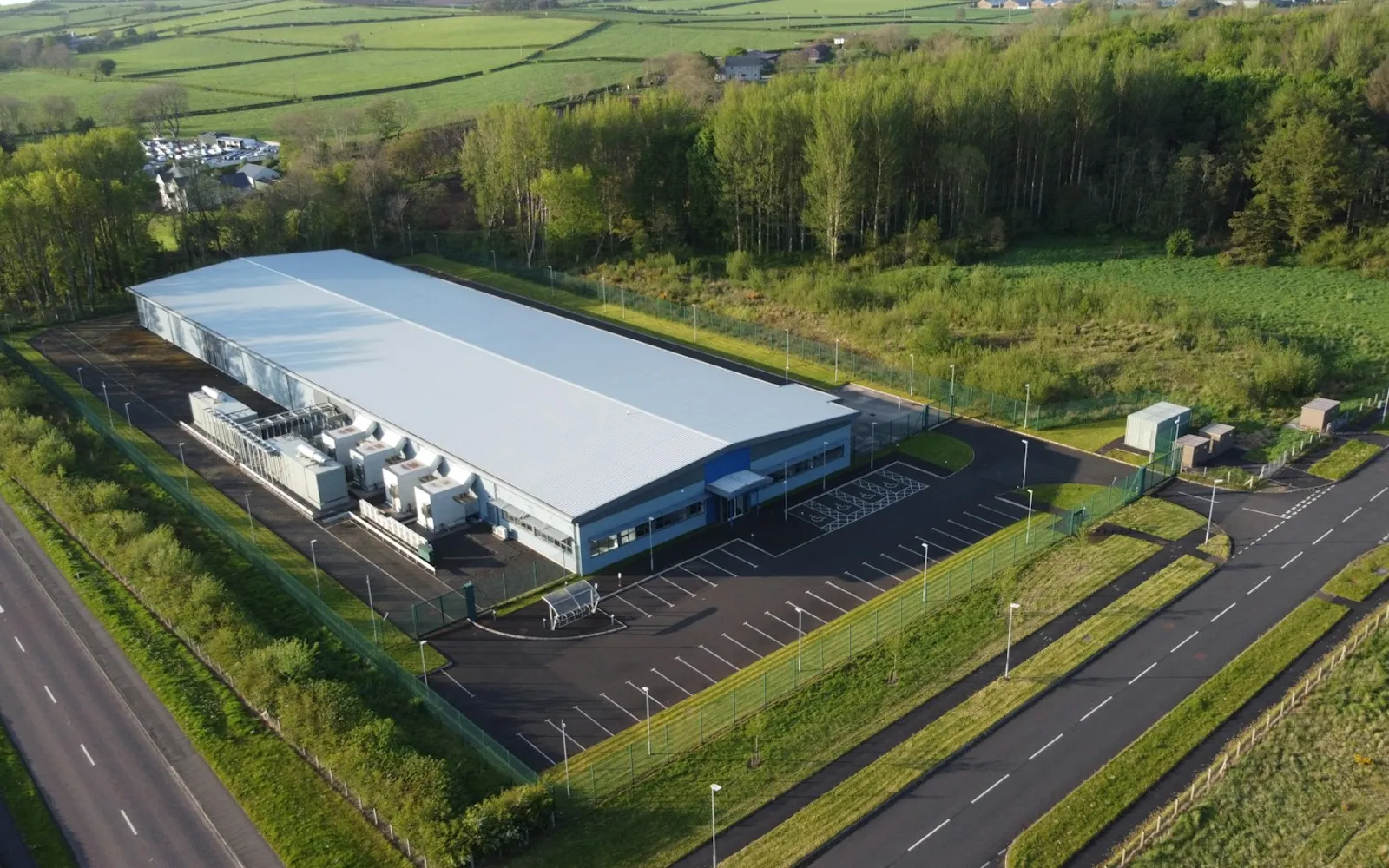
An aerial view of a large industrial building

Overview

Data-centre equipment moves in two broad flows. Servers, GPUs and switches are high in value for their weight, so they usually fly from assembly sites in Asia and North America to hubs such as Dublin, Frankfurt, Amsterdam or Singapore, often on widebody freighters. Fully populated racks, power distribution units, cooling distribution units, busbars and batteries are heavy, so they go by sea in 40 ft High Cube containers or on flat racks, then by air-ride truck to site. Everything is called off in build sequence against a hall handover date.

Things go wrong when a hall is treated as one shipment instead of many linked ones. A bumped pallet, a blank sailing or a weight that a pallet or aircraft position cannot take quietly removes the buffer. Navo24 closes the gap by putting air waybill events, container milestones, sailing schedules and load plans in one place, so planners see a slipping consignment while there is still time to re-route or re-sequence.


What goes wrong today

01

Build sequence breaks on one late consignment

Racks, switches, optics and cabling are installed in a fixed order, so a missing box can idle a crew while the rest of the hall waits on site. Consignments split across air and sea, or across several forwarders, are hard to see as a single build.

02

Racks exceed pallet and ULD limits

A populated 42U to 48U rack on a skid can be about 2.2 m tall and weigh well over a tonne, with some AI racks heavier still. That rules out lower-deck positions on many aircraft and can push a sea shipment into out-of-gauge or heavy-weight handling.

03

Sea schedules eat the commissioning buffer

Port congestion, blank sailings and missed transshipment connections add days that a fixed handover date cannot absorb. A buffer sized on published transit times is often gone before the vessel arrives.

04

Batteries and export controls add paperwork

UPS batteries and lithium cells fall under IATA and IMDG dangerous goods rules, and advanced computing items can need export licences. A missing declaration or licence number holds cargo at origin or at the border, whatever the rest of the plan says.

What Navo24 gives you

LoadingMCP

Plan racks and pallets before booking

LoadingMCP builds 3D load plans for pallets and crates in containers and trucks, so you can check height, floor footprint and total weight against the equipment before you commit. Planning the load first shows whether a hall fits in High Cube boxes or needs a different mode.

  • Test rack and pallet fit in 40 ft High Cube
  • Check gross weight against container and truck limits
  • Share one plan with packer, carrier and site
Open LoadingMCP
SchedulesMCP

Choose sailings that protect the handover date

SchedulesMCP covers sailings, cut-offs, transshipment points and carrier on-time reliability, so you can work back from the hall date and see which services leave margin. Direct services and transshipment routings can be compared on the same screen.

  • Work back from the commissioning date
  • Compare direct and transshipment routings
  • Check carrier on-time reliability by service
Open SchedulesMCP
TrackingMCP

Watch every container against the build plan

TrackingMCP follows ocean containers across 240+ carriers with predicted ETAs and free-time alerts, via dashboard, API, webhooks or MCP. A slipping ETA on one box shows up early enough to change the install sequence or arrange another movement.

  • Predicted ETAs, not just carrier estimates
  • Webhooks into your project or ERP system
  • Free-time alerts before demurrage starts
Open TrackingMCP
AirCargoMCP

Follow server flights on one timeline

AirCargoMCP tracks air waybills across airlines in one timeline, so you can see whether high-value server and network shipments have departed, transferred or arrived. That matters when a single airline transfer decides whether a rack row is built this week or next.

  • One timeline across airlines and flights
  • Spot missed connections at transfer hubs
  • Feed status to site teams and installers
Open AirCargoMCP

How it works with Navo24

  1. Plan the load and the mode

    Model racks, pallets and crates in LoadingMCP and check dimensions and weights against container, truck and aircraft limits before you book.

  2. Select sailings and flights

    Use SchedulesMCP to compare services and cut-offs against the date each hall phase needs its equipment.

  3. Track each consignment in sequence

    Follow ocean containers in TrackingMCP and air waybills in AirCargoMCP, grouped by build phase rather than by supplier.

  4. Re-sequence on early warnings

    When an ETA slips, reorder the install schedule or arrange alternative carriage while the delay is still days away, then confirm delivery to site.

Rules and standards that apply

SOLAS Chapter VI, Regulation 5 (VGM)

Every packed container needs a verified gross mass before loading, and a wrong figure on a heavy rack shipment can mean the box is refused at the terminal.

IMO/ILO/UNECE CTU Code

It sets how heavy, tall equipment is blocked, lashed and weight-distributed in containers so racks arrive undamaged and the box is safe on road and rail.

IATA Dangerous Goods Regulations and IMDG Code

Lithium batteries in UPS units are Class 9 (UN3480, UN3481, UN3171), and standalone UN3480 cells fly on cargo aircraft only at no more than 30 per cent state of charge.

Incoterms 2020 (DAP and DPU)

They decide who carries risk at the data-centre door and who unloads heavy racks, which matters when a crane or a tail-lift is needed on arrival.

Export controls on advanced computing items

Servers and accelerators may need licences under the EU Dual-Use Regulation 2021/821 or the US EAR, so the classification and licence number must be right before booking.

Questions

What height limit applies to air cargo pallets for server racks?

Lower-deck positions on most freighters and widebodies are limited to about 1.6 m, which excludes most populated racks. Main-deck positions on widebody freighters take loads up to about 3 m, but the exact contour depends on aircraft type and position, so check the aircraft and ULD references before booking.

Should racks ship fully populated or empty?

Populated racks save on-site integration time but are heavy, tall and shock-sensitive, which narrows the choice of aircraft and often means sea freight. Shipping empty racks by sea and servers by air spreads the weight and the risk, but it adds integration work on site.

Are UPS batteries dangerous goods?

Yes. Lithium-ion batteries and equipment containing them are Class 9 under the IMDG Code and IATA DGR, shipped under UN3480, UN3481 or UN3171 depending on packing. Shippers must provide a dangerous goods declaration, correct packaging and marking, and in many cases test summaries for the cells.

How much buffer should I plan on a sea leg?

There is no fixed figure, because delay depends on route, carrier and season. Check the carrier on-time reliability for the service, allow for blank sailings and transshipment connections, and add inland time for customs and delivery to site.

Who is responsible at the data-centre door under DAP or DPU?

Under DAP the seller delivers to the named place ready for unloading, and the buyer unloads and clears import. Under DPU the seller also unloads, which matters for heavy racks that need a crane, tail-lift or forklift. Agree the rule and the unloading equipment in writing before dispatch.