





















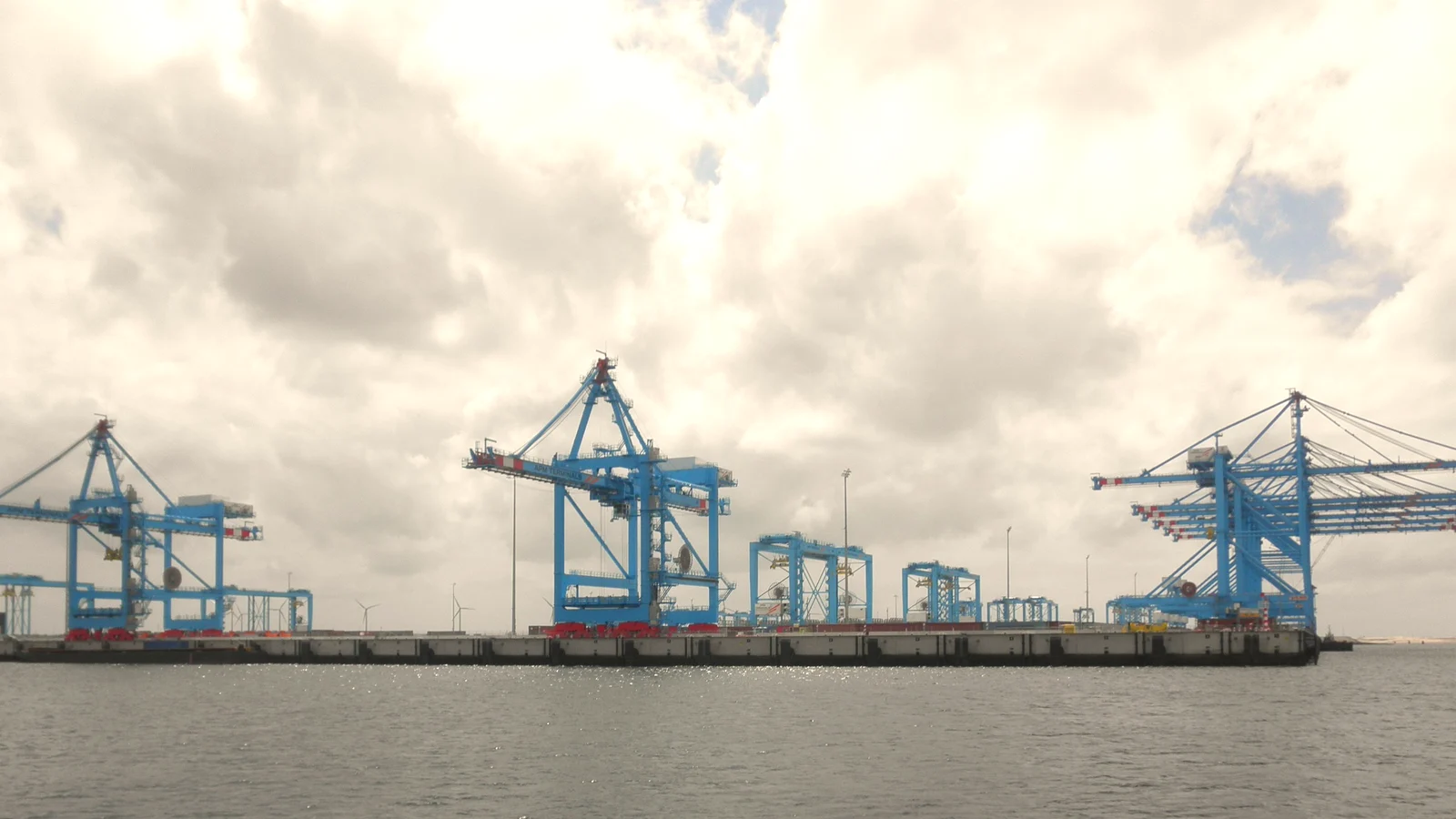
The dockworkers’ union and the port employers signed their master contract on March 11, 2025. The International Longshoremen’s Association release listed “full protection against automation” among the gains, next to a 62 percent wage increase. A strike in early October 2024 had come first. The contract runs from October 1, 2024 to September 30, 2030. That is six years. For shippers on the East and Gulf Coasts, that is where automation in shipping already has a date.
What does “full protection against automation” mean on a pier?
Harold Daggett, the union’s president, used that phrase. The details come from Supply Chain Dive, which reported what ILA executive vice president Dennis Daggett described. The employers’ alliance, USMX, has to engage with the union much earlier before it buys any software, hardware or equipment. The union says the contract also bars fully automated terminals and fully automated equipment during its term, with “fully automated” defined as devoid of human interaction.
Both sides put the emphasis elsewhere in the release where they called the deal a “win-win” that “protects current ILA jobs and establishes a framework for implementing technologies that will create more jobs while modernizing East and Gulf Coast ports.”
Melissa Atkins, a labor and employment lawyer at Obermayer, told Supply Chain Dive that automation, technology and artificial intelligence will remain a point of contention in all future negotiations. The parties themselves wrote that labor peace is now guaranteed for the next six years. The next round of talks is the date to watch. Shippers moving cargo through these ports can follow a box with container tracking and check ocean spot rates on freight rates while the contract stays in force.
Why did a ship built to sail itself carry a crew?
Yara Birkeland is the test case. Yara calls it the world’s first fully electric, autonomous and zero-emission container ship. It is an open-top vessel that holds 120 TEU and runs 11 nautical miles from Herøya to Brevik in Norway, about an hour. In its April 2024 update the company counted 175 voyages and 21,826 containers since commercial operations began in spring 2022. The first fully autonomous voyage came in March 2023, under human supervision.
Three crew members stayed onboard “owing to regulatory issues”, with a plan to cut that to two as monitoring moved to the Horten Remote Operations Center. The autonomy trial was meant to end in 2024. Yara said in April that it expected the ship to be close to completing it by early 2026. Interface manager Knut Midtsian: “The regulatory aspects are also challenging, as no regulations exist.” All of these figures date from April 2024.
What did the IMO write down about the person in charge?
Rules have since arrived. At its 111th session in May 2026, the Maritime Safety Committee adopted the MASS Code, the first global code for maritime autonomous surface ships. It applies to cargo ships. It took effect on 1 July 2026. It is non-mandatory. States can test it first. Autonomous ships must still comply with SOLAS and other applicable mandatory IMO instruments.
The Code puts the weight on risk assessment, system design, cybersecurity and the integration of Remote Operations Centres. On human oversight IMO is direct: the master retains overall responsibility for the ship at all times, even if not on board. IMO also says the number of fully crewless or remotely operated ships is currently limited, though a growing number are being trialled.
The next steps are on the same page.
MSC 112 in December 2026 is to re-establish a working group on a framework for an experience-building phase. Development of a mandatory code is set for 2028. IMO expects the first mandatory MASS Code to be adopted by 1 July 2030, for entry into force on 1 January 2032. That is a target, and it can move.
Where do the two clocks meet?
The dock clause ends on September 30, 2030. IMO expects the mandatory ship code to be adopted by 1 July 2030, but it would enter into force only on 1 January 2032, after the dock clause has expired. The documents cover different ground. The contract binds US East and Gulf Coast dockworkers and their employers, and the union says it bars fully automated terminals and equipment while it lasts. IMO describes the Code as covering cargo ships and the integration of Remote Operations Centres, and it stays voluntary until SOLAS is amended.
So automation in shipping has a ceiling at the pier for now, set by one regional contract, and a voluntary code on the water. The mandatory version is still a plan.
Frequently asked questions
How many longshore workers does the ILA represent?
Supply Chain Dive says the ILA represents roughly 85,000 longshore workers at 100 seaports on the East and Gulf Coasts. The union said its members ratified the tentative agreement by nearly 99%.
Which SOLAS change would make the MASS Code binding?
IMO lists consideration of amendments to SOLAS, a new chapter, as the step for adopting the mandatory code. Until that happens the current Code stays voluntary and is used for testing.
What does Yara Birkeland replace on the road?
Yara projects that the ship will remove 40,000 diesel-powered truck journeys a year between its Porsgrunn plant and the Brevik container harbour. It sails about two and a half times a week with premium fertilizer.