





















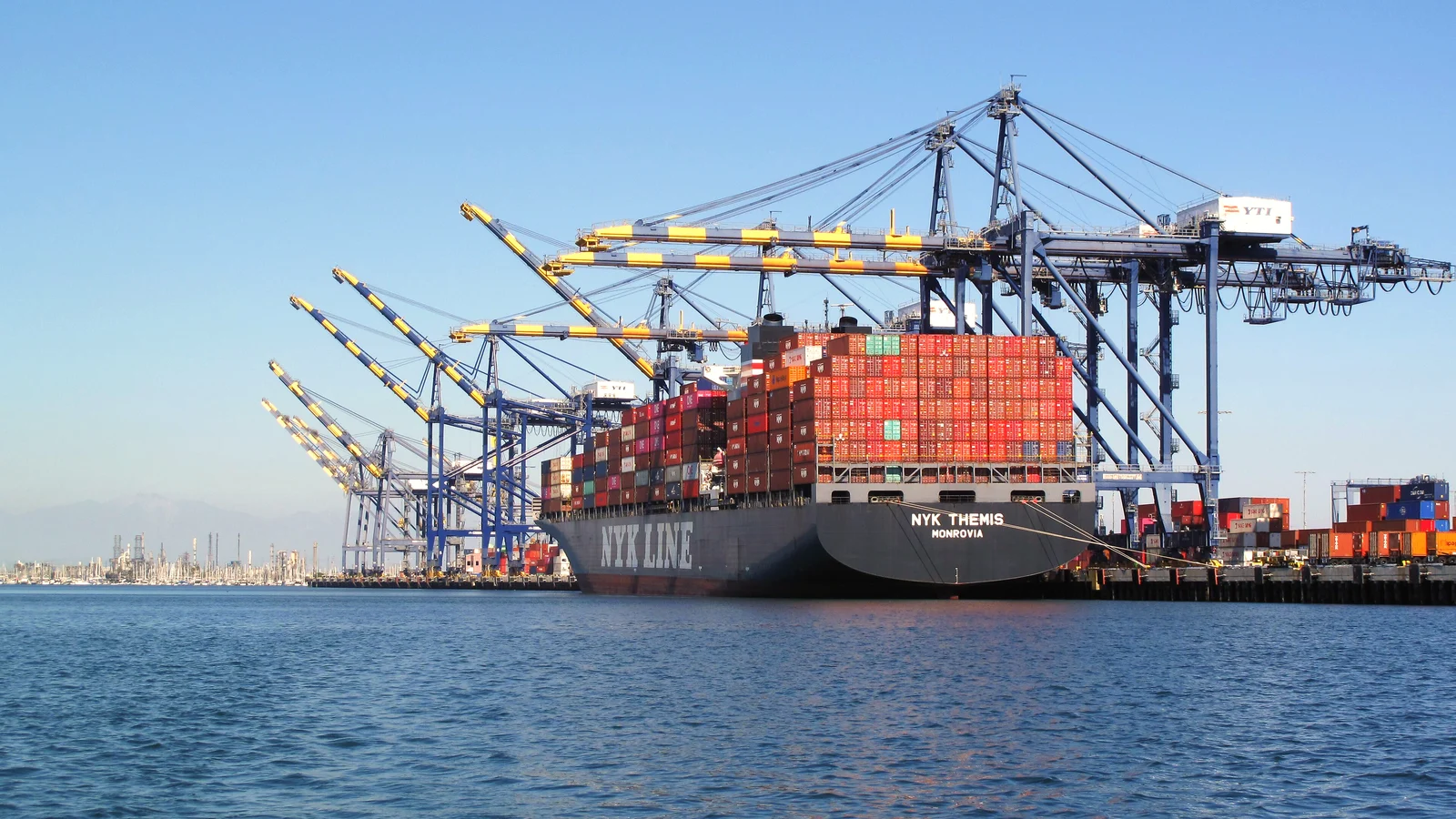
The port fee suspension on China-linked ships now runs until 10 January 2027, so through 9 January: USTR has suspended the Section 301 fees again. The Federal Register notice was published on 10 November and takes effect from 9 November, the day the year-long pause would have lapsed. The two-month extension that USTR proposed on 26 October is now the written rule, so nothing resumed on 10 November. The suspension covers the fees on Chinese operators and owners, Chinese-built vessels and foreign-built vehicle carriers (Annexes I to III), and the duties on ship-to-shore cranes and cargo-handling equipment (Annex V.A).
From proposal to notice
The proposal went out on 26 October with comments due at 5 p.m. Eastern on 30 October. USTR says it received about 60 unique comments. Some supported the extension to avoid higher shipping costs and disruption, others opposed it because the fees are meant to push investment into U.S. shipbuilding, and a number asked for a permanent suspension of the Annex III fees. The notice settles the date and leaves the rest open: USTR will decide before 10 January whether to continue the suspension, and during the pause “no party will accrue liability for or be required to pay” the fees.
A truce and a port fee suspension are different instruments. Treasury Secretary Scott Bessent said on 23 September that the U.S. and China had agreed to push their truce from 10 November to 10 January, and Safety4Sea headlined a fee-pause extension two days later. FreightWaves and CargoLinked looked for a Federal Register notice through early October and found none. The written suspension moved only with the notice of 10 November.
Senators Mark Kelly and Elizabeth Warren asked the administration in June to restore the fees, and a source told Platts on 19 October that the date could move again if the talks keep going well. Holland & Knight called two months “substantially shorter than the original one-year suspension”, and said the fees could resume after 9 January depending on the talks.
What the fee attaches to
The fee is charged once per string of U.S. port calls, up to five times a year per vessel, and a ship falls under only one of the annexes of the April 2025 notice of action. For vessels with a Chinese operator or owner the first-year rate is $50 per net ton, rising to $80 in April 2026. Non-Chinese operators of Chinese-built ships pay the higher of $18 per net ton or $120 for each container discharged, unless the vessel is exempt (empty or in ballast, under the size thresholds, or on a short-sea voyage). The November notice restates none of these rates, so the figure that applies on resumption is not in it. The April 2025 text puts liability on the vessel operator on or before the ship’s entry at the first U.S. port.
Did the 2025 fees reach importers
The fees were collected from 14 October until the pause began on 10 November 2025, less than four weeks. In the first week, Sourcing Journal reported from S&P Global Sea-Web data, COSCO and OOCL paid $42.8 million on 15 ships with a combined 855,718 net tons. The Cosco Shipping Jasmine, carrying 13,800 TEU from China to Savannah, owed $4.25 million.
Maersk had told customers it had “no intention to introduce any surcharge in connection with this rule”. ONE confirmed that no new surcharges had been implemented, Hapag-Lloyd and CMA CGM gave the same answer with an added “at this time”, and COSCO Shipping Lines wrote only that it would “maintain competitive rates and surcharges, along with related policies that align with market conditions.” Tech Times reports the opposite for October 2025, that carriers passed the fees through as freight surcharges almost immediately, and names no carrier or surcharge. The advisories were written between 10 September and 1 October 2025, before the first fee was collected.
Who asked for more than two months
A joint letter to USTR, signed by the U.S. Chamber of Commerce, the National Retail Federation, the American Farm Bureau Federation, the American Association of Port Authorities and the World Shipping Council among hundreds of other associations, welcomed the two months and asked for a permanent suspension. Their argument: Chinese-built ships are a large share of global capacity, so reinstated fees would reach American importers and exporters well beyond Chinese carriers.
Two carriers described the fear of redeployment from the other side. Grimaldi said in its 30 October filing that 86% of its U.S. cargo is American exports or imports tied to U.S. automakers, and that the fee sits in Annex III, which targets foreign-built vehicle carriers. Atlantic Container Line says USTR classified all its vessels as vehicle carriers although only 1% of its cargo is automobiles, estimates the resulting bill at $34 million a year, and quotes CEO Andy Abbott: his largest U.S. container and heavy machinery customers “were panicking that we would redeploy our ships out of the US trade to the booming China trade.”
Contract points for sailings after 9 January
The fee is assessed when the ship arrives, so the sailing date in the vessel schedule does not decide which side of 9 January a cargo falls on. Three things to do before booking space for January arrivals:
- Ask the carrier or forwarder in writing which date its government-charges clause bills against, and which of the 2025 no-surcharge advisories it will still honor for ships arriving after 9 January.
- Ask which vessel will sail, where it was built and who operates it, and quote January space both ways, with and without the fee.
- Check charterparty clauses on who bears U.S. and Chinese port fees. NorthStandard advised shipowners and charterers in September to consider such clauses, which shows where the cost is expected to land first.
Importers with boxes on China-linked ships can track each container to see which arrivals fall near the cut-off.