





















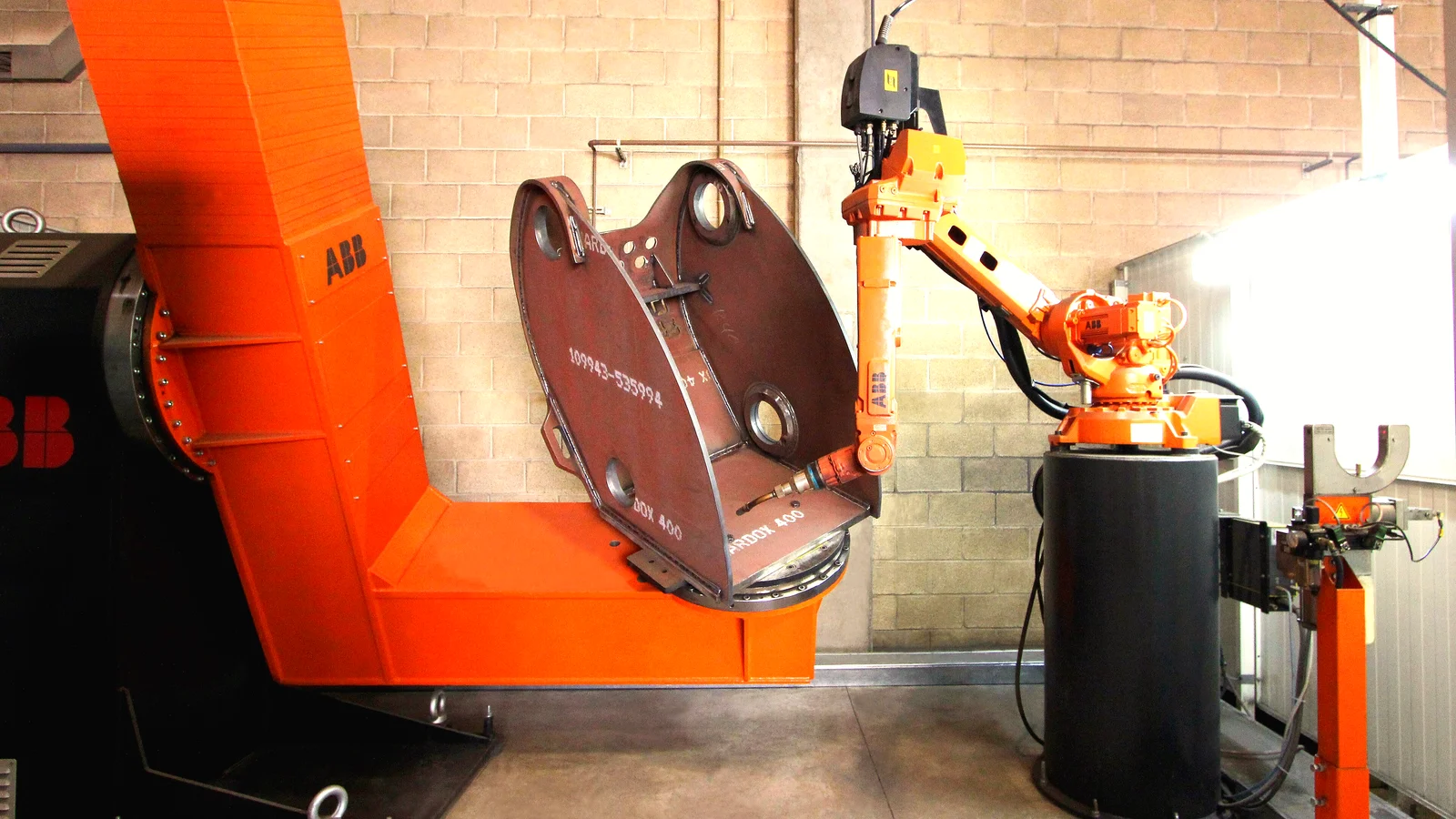
A CNC machine or robot cell ordered today and delivered after April is the order CTOL has in mind when it says buyers whose equipment lands after April are pricing that risk today. The 28 October proclamation on Section 232 robotics and industrial machinery adds no duty, and existing tariff rates stay as they are. It starts a 180-day clock that runs out on 26 April 2027, and the 180 days are not a safe harbour.
Four earlier cases, one exception
Robotics follows a pattern, as CTOL’s comparison of the earlier cases shows. Wind turbines, commercial aircraft and processed critical minerals each got negotiations, a 180-day update and no duty in the operative text. Semiconductors is the exception: it ordered talks and also set “a 25 percent ad valorem duty rate” on a narrow set of advanced chips, with an update due in 90 days (Federal Register).
| Case | Signed | Update due | Duty at signing |
|---|---|---|---|
| Semiconductors | 14 January | 90 days | 25% on a narrow set of advanced chips |
| Critical minerals | 14 January | 180 days | None |
| Commercial aircraft | 9 July | 5 January 2027 | None |
| Wind turbines | 22 October | 20 April 2027 | None |
| Robotics and machinery | 28 October | 26 April 2027 | None |
Three of those four carried no duty at signing, but CTOL stresses that each case is a separate negotiation and one outcome does not bind the next. The robotics text leaves every door open:
Depending on the status or outcome of such negotiations, I may consider alternative remedies in the future, including imposing or modifying tariffs, duties, quotas, and fees; and establishing a program to incentivize new investment in United States production of robotics and industrial machinery, as well as their parts and components.
The sentence comes from the proclamation text. A failed negotiation is a second trigger: if no agreement is entered within 180 days, is not carried out or proves ineffective, the President may take other actions. Updates are also due “from time to time”, so a report can land before April.
The aircraft report on 5 January is the first date that shows whether these talks end in agreements or in duties, and CTOL treats it that way. Wind turbines and robotics follow within a week of each other in April.
What the investigation covered
The proclamation gives no product list and no tariff codes, only categories and examples. Machine scope comes from the Federal Register notice that opened public comment on the Commerce investigation of 2 September 2025. It names CNC machining centers, turning and milling machines, grinding and deburring equipment, and industrial stamping and pressing machines, plus machine tools for cutting, welding and handling work pieces. Autoclaves, industrial ovens, EDM machinery and laser and water-cutting tools are in as well. Drones are out, because a separate Section 232 case covers them.
Parts and components are named in the proclamation’s own title, so the Section 232 robotics and industrial machinery review reaches more than whole machines. No tariff headings are listed: Ginger Control’s briefing notes the text “does not state specific HTS headings or subheadings”, and importers keep filing under current classifications until a later notice changes that.
What machine makers say about tariffs today
Neither company is reporting on the robotics proclamation. Their filings show how builders talk about tariff cost in general.
Hurco, the Indianapolis machine-tool maker, reported its quarter ended 31 July on 4 September. Part of the gross profit gain came from tariff refund claims filed with U.S. Customs and Border Protection, a smaller part than machine volume, product mix and first-quarter price increases. Chief executive Greg Volovic says in the 8-K exhibit that refunds helped, but the fundamentals were “the larger contributor to profitability”. The results discussion does not say which tariffs the refund claims cover.
FANUC’s Q&A summary of its 31 July call is more guarded. Its profit outlook counts the continued rise in component costs, the “time lag and uncertainties associated with passing on the cost increases to sales prices”, and the “impact of U.S. tariffs, to the extent currently identifiable”. FANUC says nothing there about Section 232 robotics duties, and nothing about passing tariff risk to customers.
Who pays if a duty lands between order and delivery?
CTOL reads the proclamation as having no grandfathering clause for orders already placed, so a duty imposed between order and delivery “falls on whoever imports the machine”. Ginger Control’s advice is to review contracts and sourcing plans for provisions on future tariffs, quotas or other Section 232 measures.
Three lines in an open purchase order carry the exposure: who is importer of record, whether the price is fixed or moves with duties, and who pays if delivery slips past April. Under standard terms, ex-works means the buyer’s broker files the entry and the buyer pays, while delivered-duty-paid puts the filing on the builder. A builder on delivered-duty-paid terms has the most to lose if a duty arrives, so I would expect it to ask for a surcharge clause before it signs. If you buy through a U.S. distributor, ask who is importer of record on your order.
The delivery date is the other variable. The 26 April date is when one update is due, not a cutoff: updates can come “from time to time”, and an earlier one could land before it. A machine that arrives in March is not safe for that reason. The wind turbine update is due six days earlier, on 20 April, so the two reports will land almost together. To see how a delivery date sits against them, check the sailing in the vessel schedules.