





















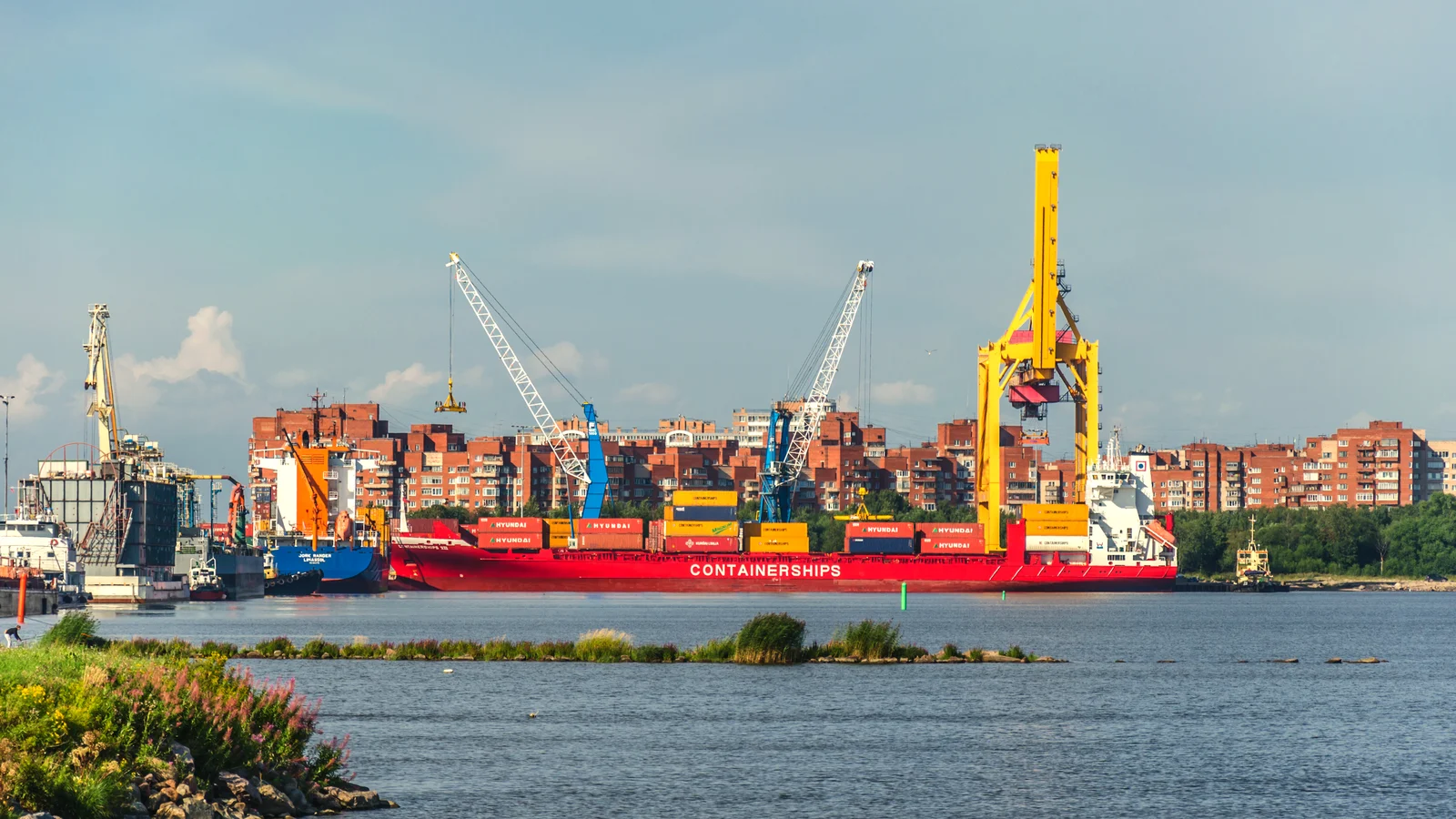
Metalcraft Mining Equipment, a West Virginia manufacturer with 47 employees, completed a multi-million-dollar sale in Australia, according to the U.S. Commercial Service. Its Vice President of Finance, Rebecca Salisbury, said: “The team at the US Commercial Service is a great resource for companies attempting to navigate the waters of export.” A small firm that wants to ship goods overseas meets tariffs, transit time and margin pressure. Metalcraft’s sale, a set of container dates from Navo and a Chilean fruit report each touch one of them.
The Australian sale
According to a U.S. Commercial Service article published in August 2025, the agency analyzed Metalcraft’s tariff codes, supplied compliance tools and planned the logistics so the shipments followed trade rules and avoided unnecessary costs and delays. Its team also found an exemption from Australian tariffs, because no substitutable Australian manufacturer exists.
The same article says 95% of the world’s consumers live outside the United States, and that 97% of U.S. exporters are small businesses. The author is the agency’s Deputy Assistant Secretary and the piece exists to encourage exporting, so treat the percentages as promotion. The useful part is the offer. One-on-one counseling on an export plan, compliance and documentation, financing and insurance, and pricing and marketing for foreign markets.
What 105 container schedules show
On 18 November 2026 a Navo API account listed 209 containers. For 105 of them the data had a planned departure date, an ETA, and a status showing the box was moving or had arrived. The gap between those two dates had a median of 49 days. A quarter of the boxes were planned at about 34 days or less, a quarter at 63 days or more, and the full range ran from 11 to 103 days. 54 of the 105 started in China, with a median of 44.5 days. Only seven of the 105 started at a U.S. port, too few to say anything about American exporters. Your lane can sit anywhere. Check it.
The dates are carrier plans and estimates. One account is not the market. They still show why a delivery promise needs the vessel schedule for the actual lane, and why a shipper does better to follow the container by number from the day it sails than to count on the first estimate.
Season and margins: Chilean blueberries
Chilean fresh blueberries are exported from October to April, with the peak in January and February. According to the USDA attaché report for marketing year 2021/22, Chile exported 106,148 MT of fresh blueberries, and the United States took 53,638 MT of that, 50.5%. Bulk production runs November to March. Timing matters.
The same report, dated December 2022, says higher domestic production and competition from other countries such as Peru made profits tighter over the past three marketing years. Other factors squeezed margins further: higher transport costs, the U.S. requirement then in force to fumigate exported berries with methyl bromide, and pandemic-era labor costs. As of that report, Biobio and Nuble exported fresh organic blueberries to the United States under a systems approach, without fumigation. Anyone who plans to ship goods overseas needs a price that covers freight, treatments the destination demands and labor before the first order is quoted. The weeks your cash spends in transit belong in the same sum; the report gives no transit figures for fruit, and the Navo dates above come from other lanes.
Frequently asked questions
Does the Metalcraft tariff exemption apply to any small manufacturer?
Not automatically. The U.S. Commercial Service account ties the exemption to Australia, where it says no substitutable Australian manufacturer exists. The article does not say which products qualify, so a different product or country needs its own tariff-code check.
Do Chilean blueberry growers ship only fresh fruit to the US?
No. In marketing year 2021/22 Chile exported 53,983 MT of frozen blueberries as well, and the United States took more than 40 percent of that volume. Frozen exports run all year because frozen fruit keeps longer than fresh.
Did fresh organic fruit from Chile face the same entry rule as conventional fruit?
Not in every region, according to the December 2022 USDA attaché report. Biobio and Nuble had access to the U.S. market under a systems approach, which let them export fresh organic blueberries to the United States at a higher price than conventional ones. Before the protocol, organic berries from these regions could only go frozen. The rules may have changed since the report.