





















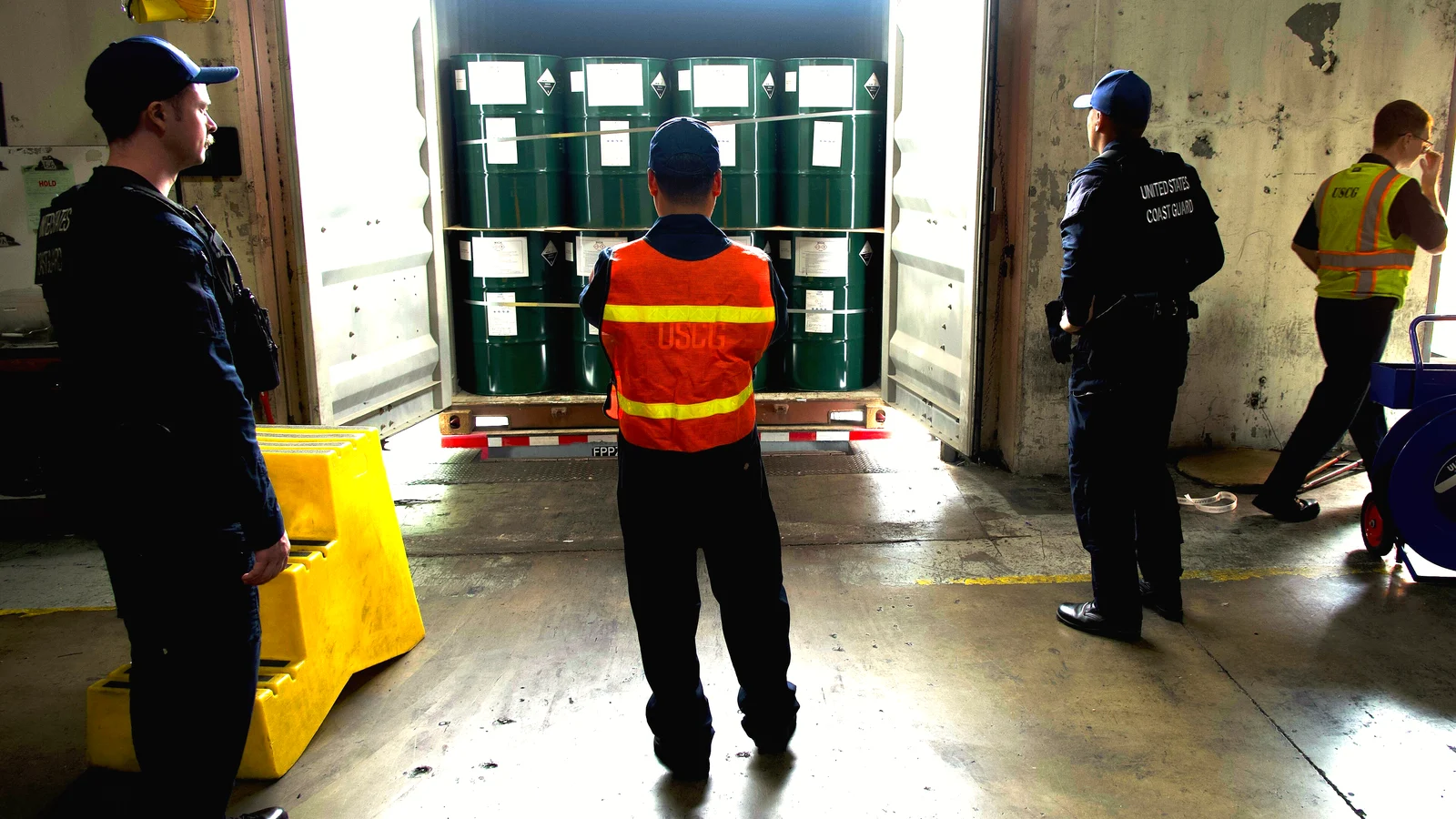
At the Federal Maritime Commission’s 27 October meeting an official described a fraud, then admitted he could not see what the fraudsters gain. John Crews runs the commission’s Bureau of Enforcement, Investigations, and Compliance. Seatrade Maritime reports his account: unregistered foreign entities read state Secretary of State records, copy a licensed US forwarder’s corporate details and FMC license number, and bring shipments into the country under that name. The cargo appears to be real. Crews said that when Customs and Border Protection (CBP) opens the box, it is exactly what the forwarder said was in it, and that duties were not defrauded even though false information was provided. His own verdict: “I don’t intuitively understand what the actor is getting out of it.”
Who pays for a borrowed name
Jones Walker’s summary of the meeting puts the cost on the licensee. A US forwarder whose name and license number sit on someone else’s shipments can draw shipper claims, carrier and CBP inquiries and reputational harm for cargo it never handled. The firm advises licensees to watch for arrival notices, invoices, claims or customer inquiries about shipments they did not handle. It also advises keeping the FMC listing current, writing agency agreements that forbid use of the company’s name, license number and bill of lading forms, and reporting suspected impersonation to the bureau.
Statutory limits keep the FMC’s direct reach over non-regulated entities overseas short, Seatrade says. So the agency is coordinating with CBP and alerting federal law enforcement. Jones Walker adds that staff noted the considerable effort going into the impersonation.
Commissioner Daniel Maffei offered the darker reading. Stolen domestic credentials could be a dry run for getting illicit goods into the US supply chain. Chairman Laura DiBella was blunter. She said it was “beyond raising my Spidey senses that something very nefarious is behind all of it.”
Registration was an option
The commission’s OTI list covers three groups. Ocean freight forwarders have a license and proof of financial responsibility on file. NVOCCs add a published tariff reported on Form FMC-1. Foreign-based NVOCCs register on Form FMC-65 and file the same proof and tariff.
Jones Walker notes that these foreign entities could register with the FMC as foreign NVOCCs, yet they impersonate US-based ones.
Enforcement priorities
Two commissioners leaned toward more OTI enforcement. Dye asked Crews to “target some of the most serious cases in the marketplace,” and Chairman DiBella said she would like to dive in more on the OTI space, International Trade Today reports. The same article quotes Crews saying OTI investigations are currently “less of a priority.” It also says the bureau has not yet determined why foreign-based entities impersonate US forwarders. Jones Walker calls the issue under active review, and neither Seatrade nor Jones Walker reports a case against anyone.
Seatrade compares the scheme with trucking, where it says double-brokering and identity theft there cost the sector hundreds of millions of dollars a year, with operators hijacking federal registration numbers or registering shell identities to collect freight payments. The Federal Motor Carrier Safety Administration answered with identity checks for new registrants, a rebuilt registration system and tighter surety bond rules for brokers. The FMC has so far described coordination with CBP and law enforcement.
What a shipper can check this week
Jones Walker lists these red flags for licensees. The same logic can work from the importer’s side: watch for a bill of lading, arrival notice or invoice from a US forwarder you never booked with.
Compare the issuing company on each document with the forwarder named in your booking confirmation. Look the company up on the FMC list. A matching FMC license number proves little. The impersonators already use it. Reach the forwarder through contact details from an earlier shipment, not through the email thread that arrived with the cargo. The steps for checking a forwarder’s FMC record are in a separate guide, and questions about the list go to commission staff at (202) 523-5787.