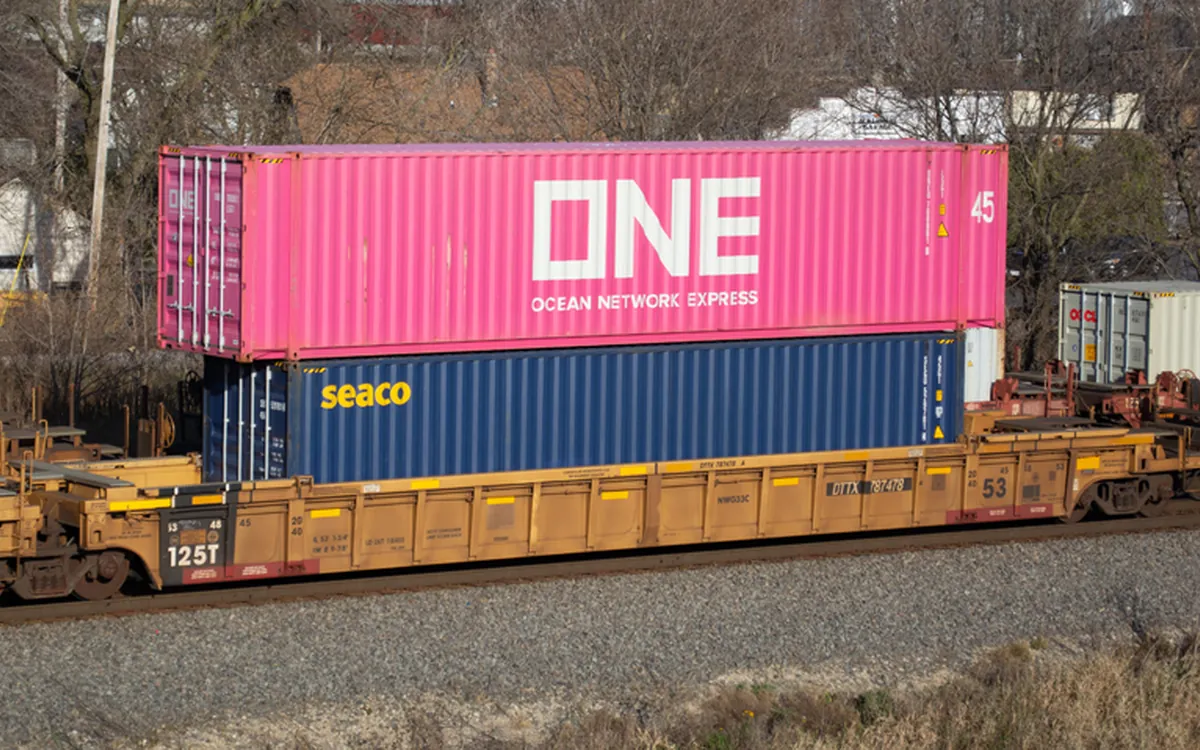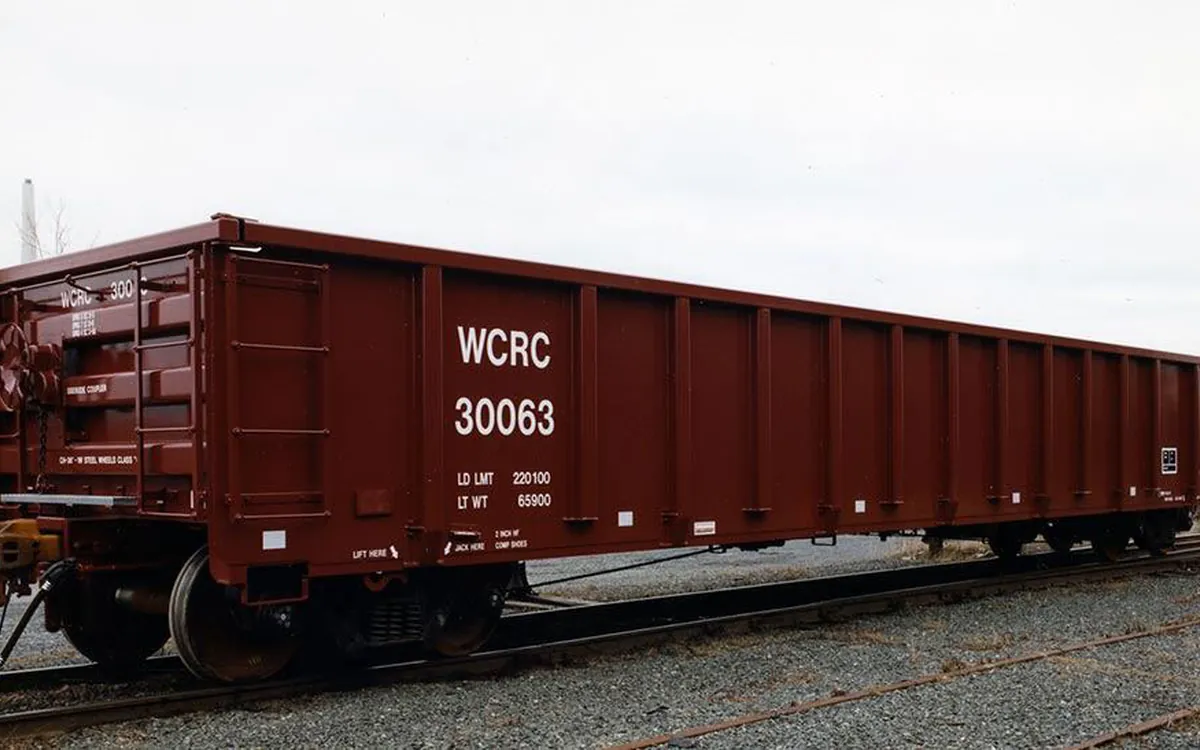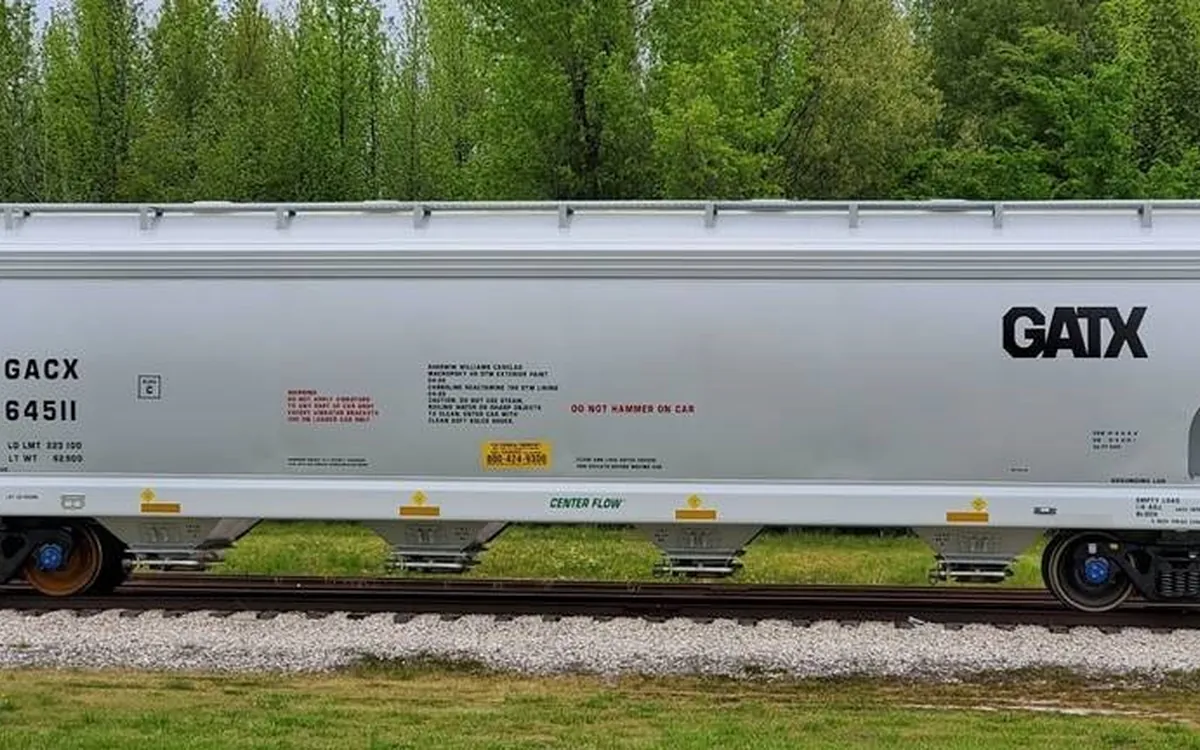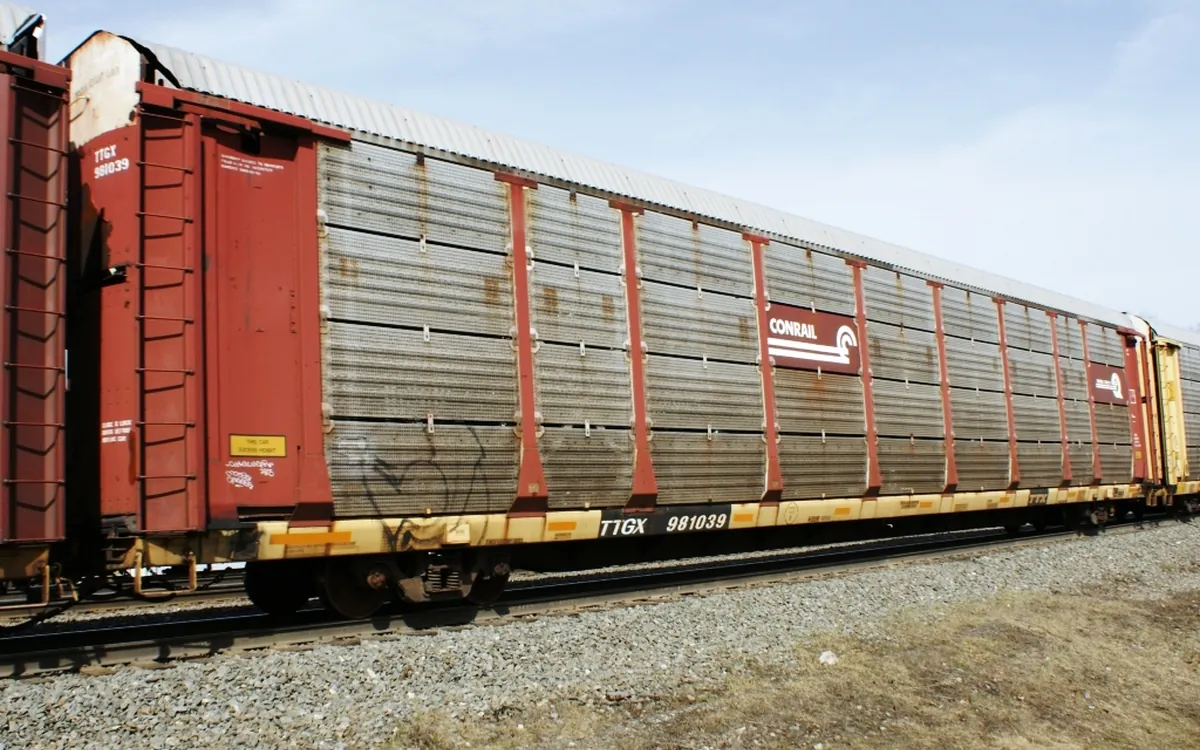





















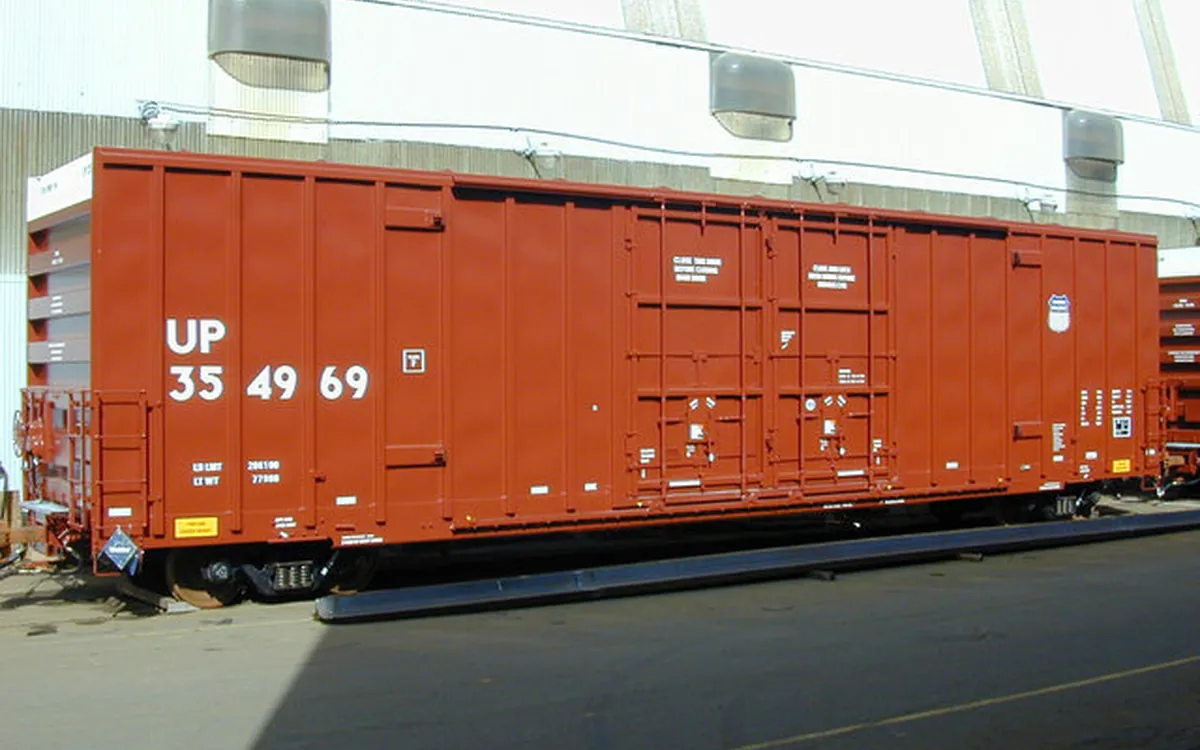
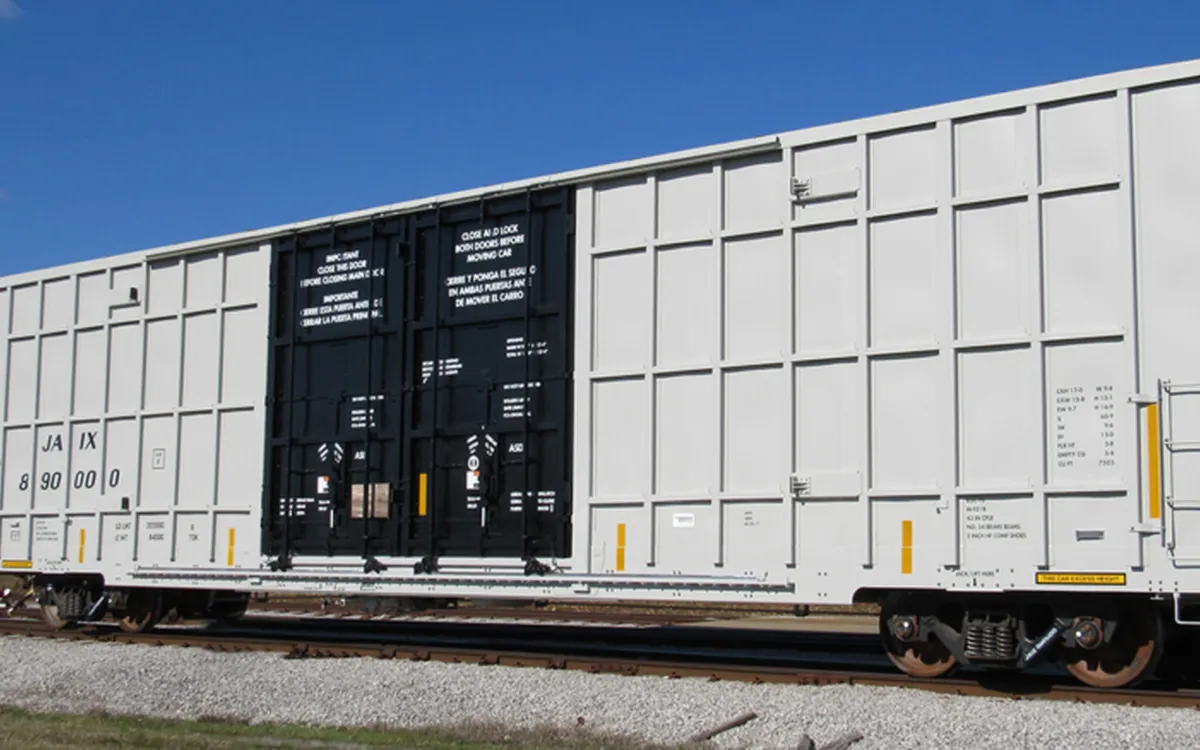
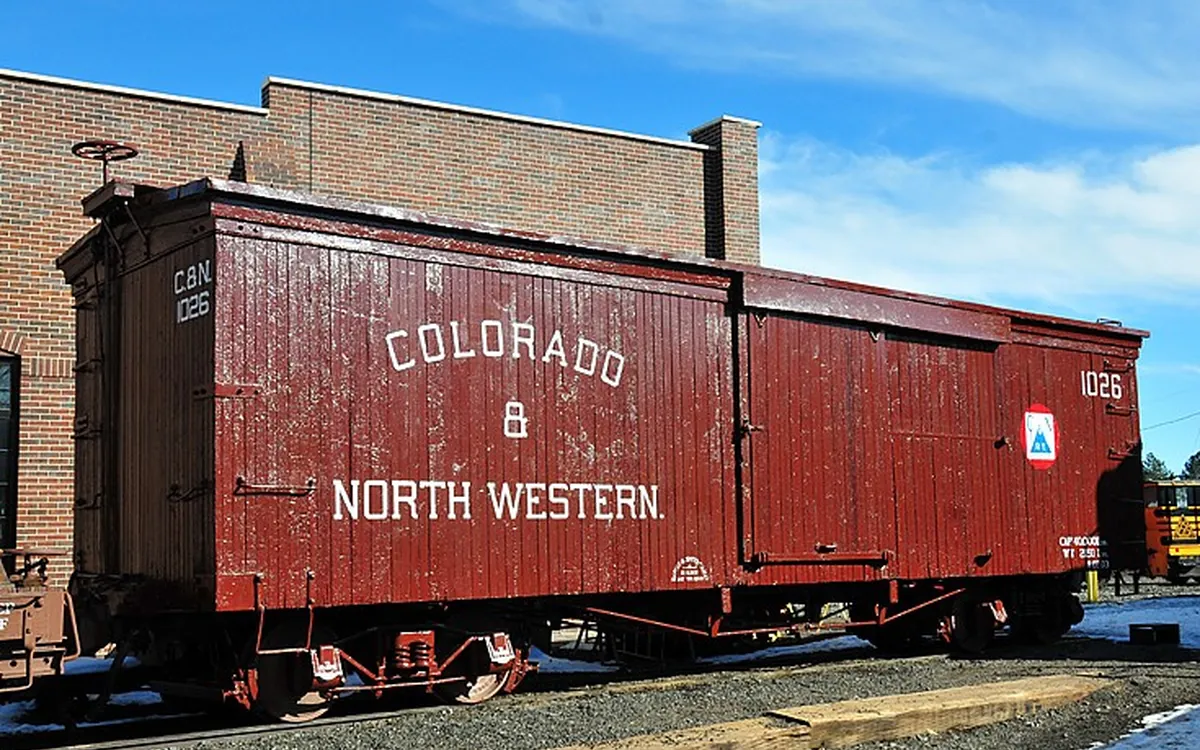
The North American covered car with sliding side doors, for paper, packaged goods and auto parts. Hicube cars are built taller; 86 ft hicube boxcars served the automotive parts trade.
What a boxcar is
Boxcar is the North American (AAR) and South Australian Railways term for an enclosed railroad car for freight. It is not the simplest car design, but it is one of the most versatile because it can carry most loads.
Similar cars outside North America are covered goods wagons, called goods vans in the UK and Australia, and covered wagons or vans in UIC usage. In the UIC system the matching classes are G (ordinary) and H (special covered).
Doors and loading
Boxcars have sliding side doors of different sizes and operation. Some also have end doors and adjustable bulkheads so very large items can be loaded and held in place.
Boxcars were first loaded by hand. Forklifts and other mechanical aids now load and empty them faster, but the general design is still slower to handle than specialised cars. That, together with the shift of shipping to containers, explains why boxcar numbers have fallen since World War II.
Hicube boxcars and sizes
In the 21st century, high cubic capacity (hicube) boxcars have become more common in the US. They are taller than regular boxcars and can only run on routes with enough clearance. The part of the car end above normal height is often painted with a white band, so staff can spot a car sent to a low-clearance line by mistake.
The 86 ft hicube boxcars first used in auto parts service had an inside height of about 12 ft 9 in. Excess-height stock such as hicube boxcars is one reason North American railroads raised clearances above the old AAR Plate B and C limits.
Hicube boxcars belong to the excess-height rolling stock that pushed North American railroads to raise clearances. The most widespread loading gauges for freight cars are AAR Plate B and Plate C, both with a maximum width of 10 ft 8 in. Higher gauges such as Plate K have been introduced on major routes, and the mainlines of Union Pacific, BNSF, Canadian National and Canadian Pacific already meet it.
Cargo and history
Boxcars carry paper, packaged consumer goods and auto parts, among most other dry freight. In the early 20th century they also carried coal, especially in the Midwestern United States; by 1905, 350 to 400 boxcar loaders were in use, mostly at Midwestern coal mines.
Early automobiles also travelled in boxcars, two to four per car, until longer cars with wide or end doors and later autoracks took over.
In the Philippines, the Manila Railway Company used boxcars as extra third-class accommodation in the early 1900s, when it was short of passenger cars. That problem was considered solved by the 1910s as more passenger cars were delivered.
Related cars
The autorack replaced boxcars for new vehicles. In Europe, the classic covered wagon with side doors was almost fully displaced in the third quarter of the 20th century by sliding-wall wagons, which load and unload palletised goods quickly. The Hbbillns is a present-day standard of that kind.
Choosing a boxcar
Check the door width and whether your sites can load with forklifts at car floor level. For tall or light, bulky loads ask about hicube cars, but confirm that the whole route is cleared for them. Ask whether the car has bulkheads or other load restraint for partial loads.
Variants
Questions shippers ask
What is the European equivalent of a boxcar?
The covered goods wagon, UIC classes G and H. Sliding-wall wagons are the modern European choice for pallets.
What is a hicube boxcar?
A boxcar built taller than normal for more volume. It can only run on routes with enough clearance.
Why have boxcar numbers fallen?
They are slower to load than specialised cars, and much cargo has moved to containers.